An Afternoon at the Auburn Cord Duesenberg Museum

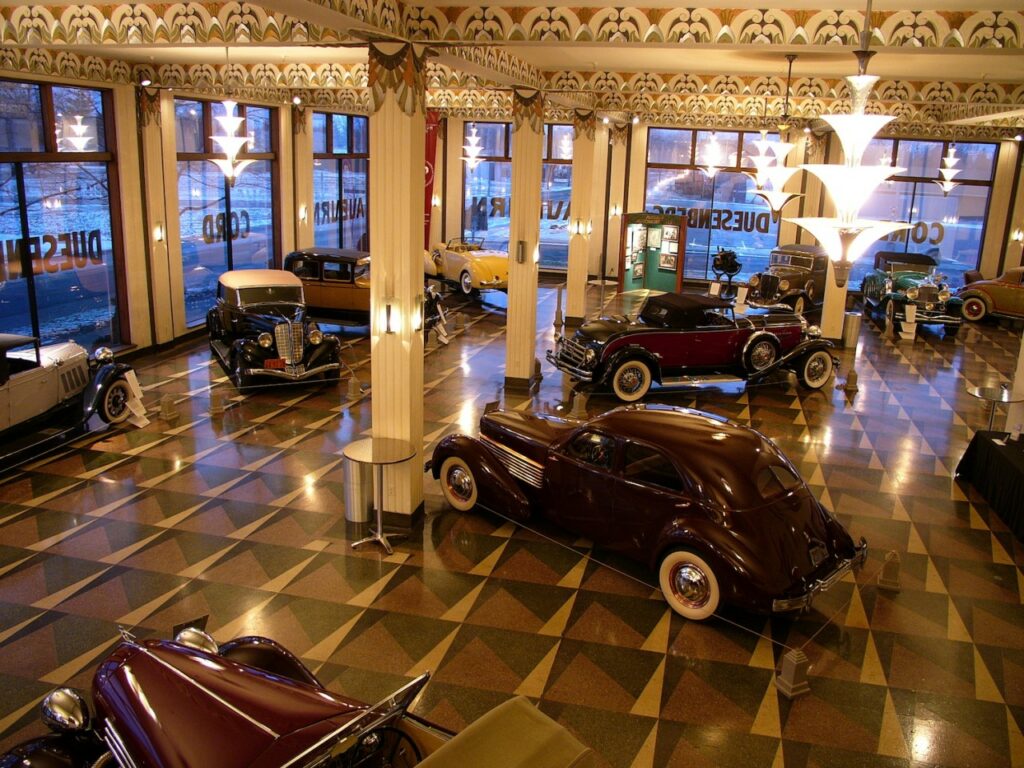
The opulent Auburn Cord Duesenberg showroom

The Auburn Cord Duesenberg Museum is located in Auburn, Indiana, in the building of the automobile manufacturer’s former executive and general offices, engineering and experimental design departments, design studios, and showroom. It retains much of the look of its past occupants; the first floor showroom is spacious and opulent, with high ceilings, chandeliers, art deco columns, and an elegant center stairway, with popular music from the 1920s filling the grand space. The second and third floors include automotive displays intermingled among intact conference rooms and private offices of past automotive leaders and entrepreneurs. The narrow hallways are filled with archival items including old photographs, period advertising, and colored design renderings.

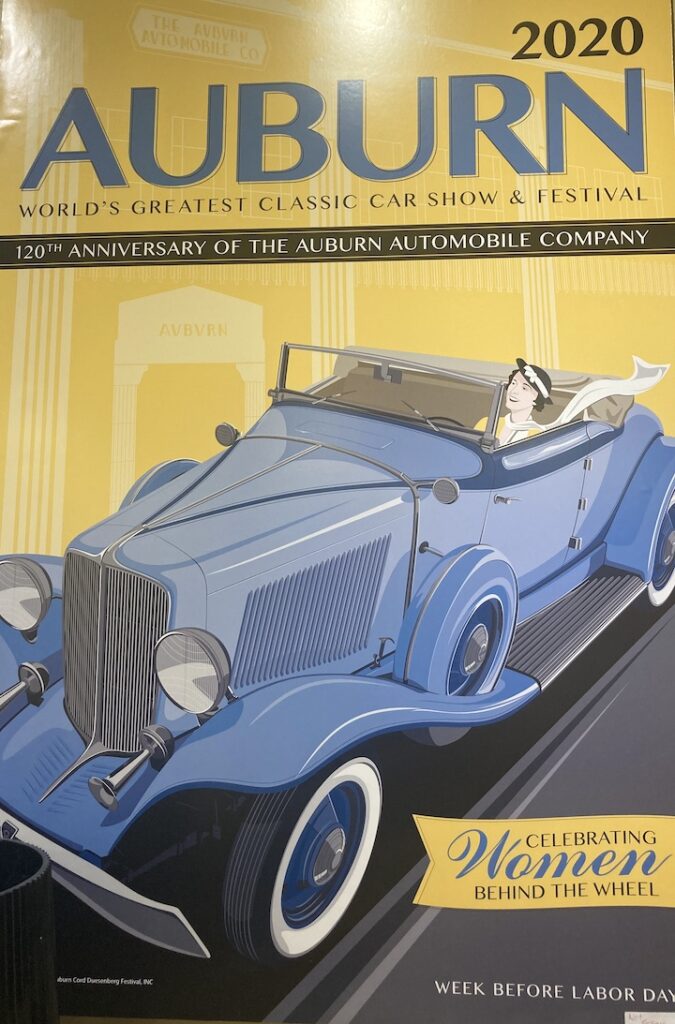
Poster for the annual Auburn Car Festival which celebrated the anniversary of women’s suffrage

The three prominent automotive brands housed in the museum – Auburn, Cord, and Duesenberg – were high-priced luxury and racing vehicles produced between 1900 to 1937. Auburn was wholly owned by the Cord Corporation; entrepreneur E.L. Cord acquired Duesenberg in 1926 to add to his stable of stylish and expensive cars. The Depression, and the economic downturn that followed, saw an inevitable sales decline for the Cord empire. The company was sold and dissolved in 1937.

Other vehicles on display in the museum include ‘The Cars of Indiana,’ rare and unusual vehicles no longer in production once manufactured in the Hoosier state, as well as a gallery of racers and record-setters. Exhibits on the second and third floors include advertising campaigns, the work of design studios, blueprint rooms, as well as engines and technological innovations of the day.

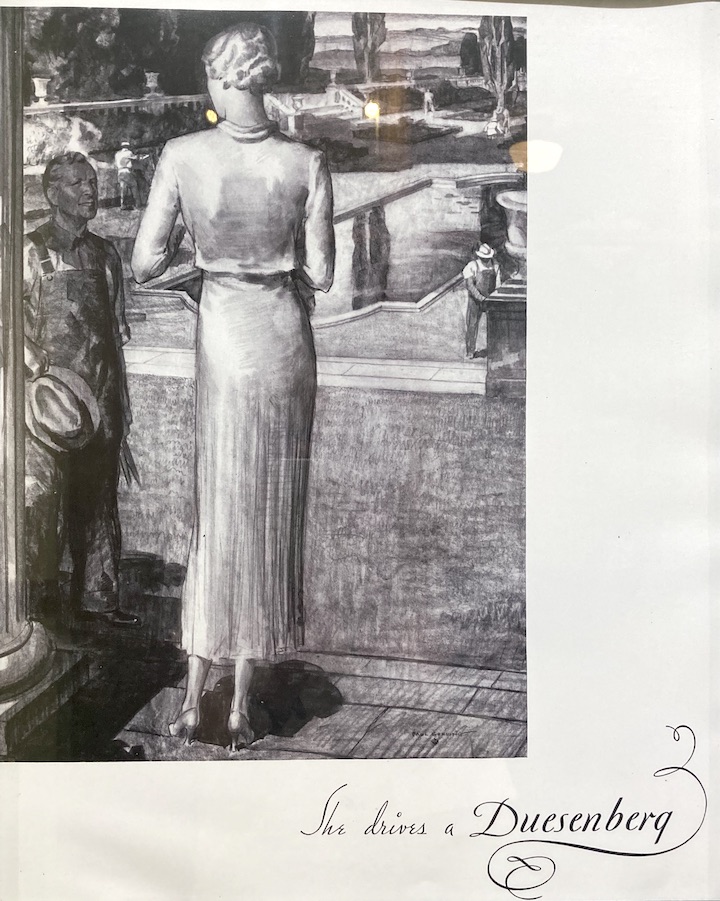
One of the many advertisements featuring women on display

As might be expected in a museum seeped in automotive history, regional identity, and the accomplishments of exceptional men, women’s presence within its celebrated walls is subtle at best. However, because of the nature of the Auburn – Cord – Duesenberg product, female representation was, in fact, an important component of the automotive brand. This is evident in the promotional materials that adorn the walls of the building’s second floor. As one of the accompanying placards notes, ‘Auburn ads frequently featured glamourous female models situated in lavish settings.’ The models were called upon to reflect class, elegance, and style, as well as to suggest that owning such a vehicle would infer such qualities on the individual who drove it. As another card conveyed, ‘these ads were notable because they featured a lifestyle and not the product.’ The presence of female models in these advertisements suggest the stylish women were more successful in eluding elegance and class than the cars themselves. Photographs hung throughout the museum – with unnamed women as passengers – also serve to associate the automobile with a certain upscale and desirable lifestyle.

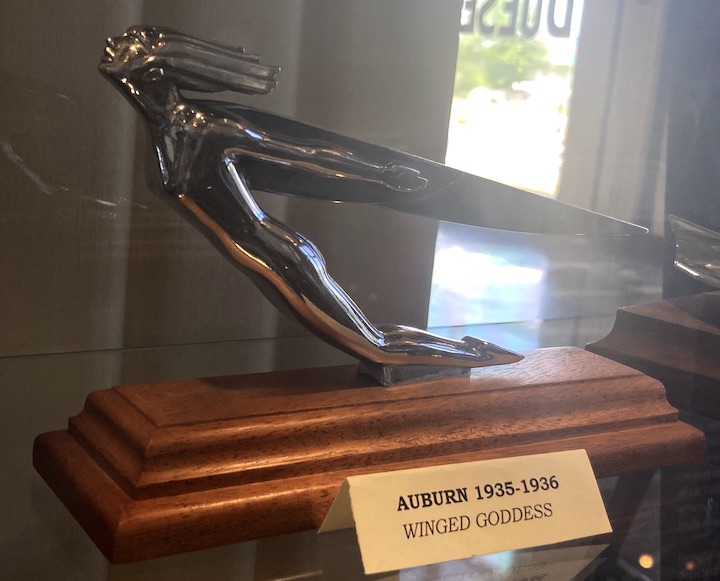
Woman as Goddess on the hood of a Duesenberg

Women also graced automotive exteriors in the form of hood ornaments. These sleek, elongated, goddess representations in steel also lent credence to the Duesenberg or Auburn as luxurious vehicles for the upper class.

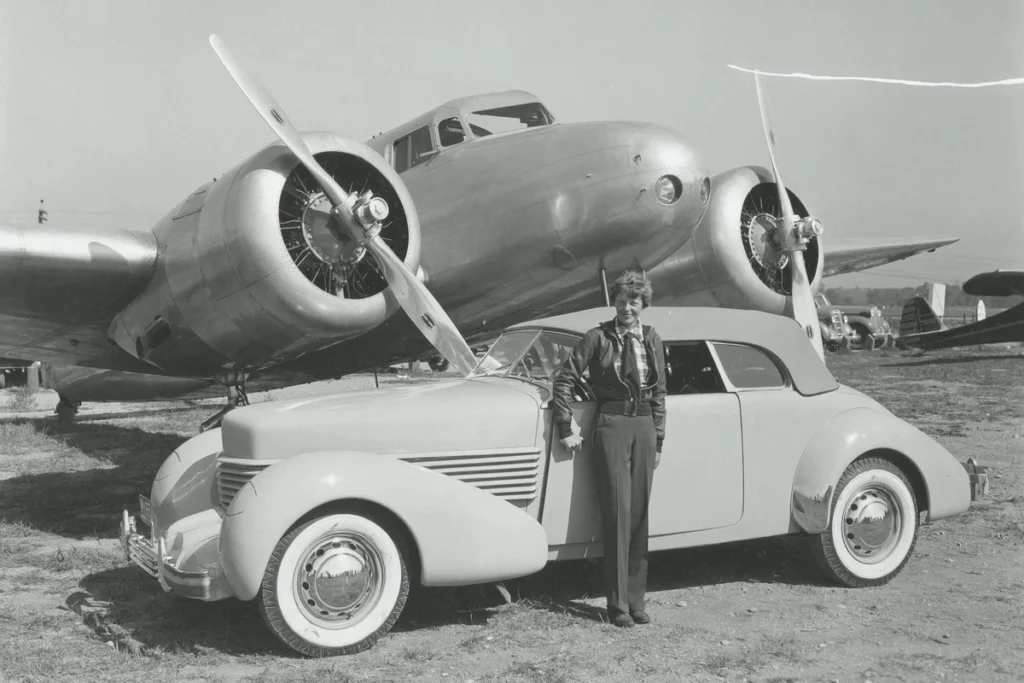
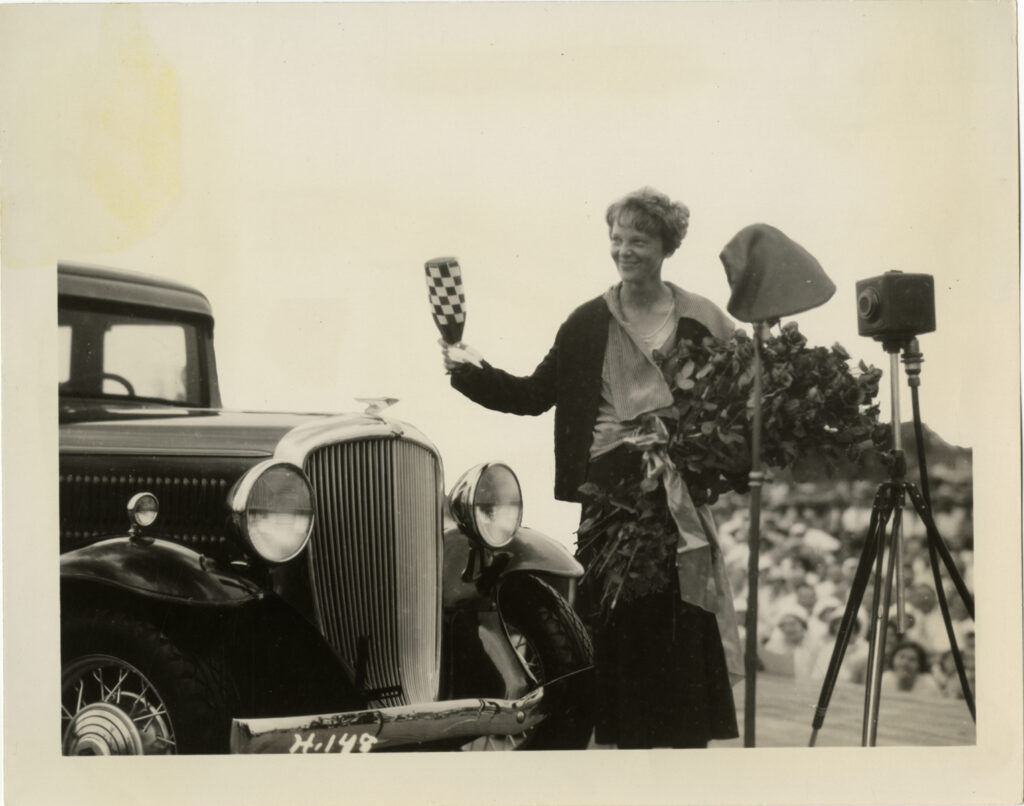
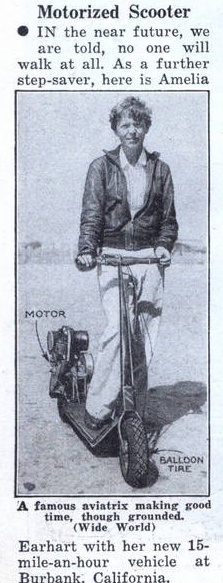
Within the lineup of cars on display, women as well as notable events involving women are called upon to place a vehicle within a specific time and place in history. Referring to Amelia Earhart [an automobile aficionado] or women’s suffrage alongside an automobile of that era offers an opportunity to imagine how or why an automobile might be used. Women’s stories – anecdotes of an event or driving experience – are also integrated into the histories of particular automobiles. Women referred to by name as donors were often keepers of cars – maintaining the automobile after the death of a father or spouse before donating it to the museum archives. These women serve as touchstones within the cluster of vehicles, often providing a human element to the business of cars.

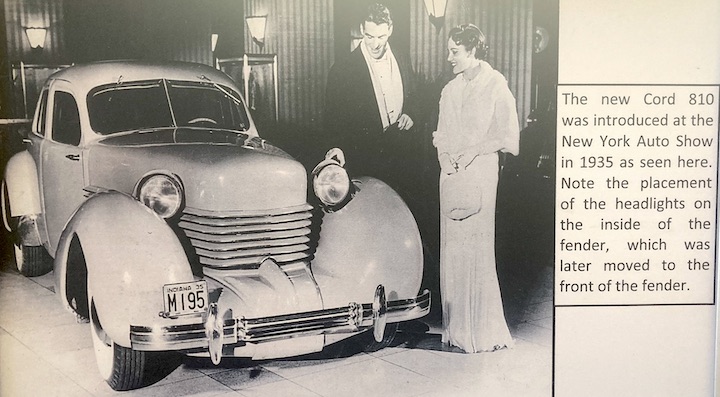
High society woman and the new 1935 Cord 810

This was not my first visit to the ACD Museum. I stopped in decades ago while in the area for a dog show [which is a whole other conversation]. More recently, I traveled to Auburn for SAH [Society of Automotive Historians] business. But this encounter provided me with the opportunity to search out women’s presence in what I suspect exists for most as a very masculine space. As I discovered in the ACD as well as most of the automotive museums I’ve spent time in, women are visible if only you look for them.

Women & the Model T

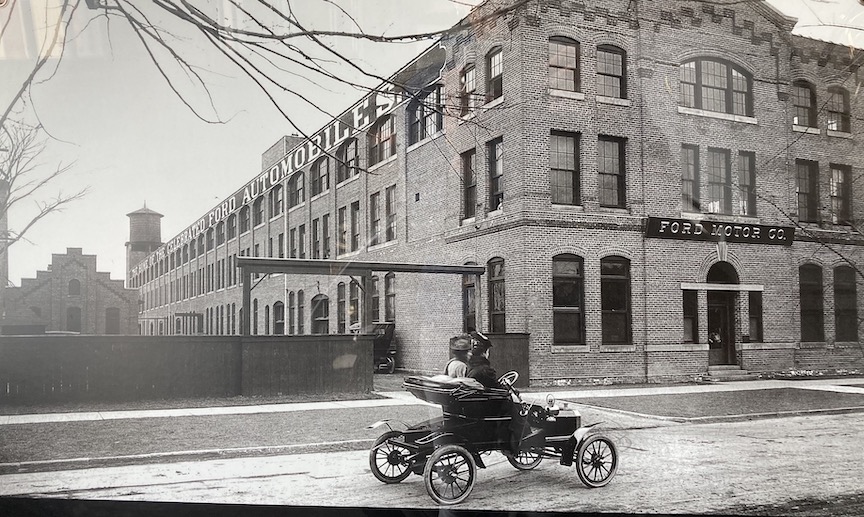
This past weekend my automotive museum project took me to the Ford Piquette Avenue Plant in downtown Detroit. Constructed in 1904, the Piquette Plant was the second center of automotive production for the Ford Motor Company. From 1904 until the end of 1909, the facility assembled Ford car models B, C, F, K, N, R, S, and T [known as the Ford alphabet cars]. The most famous is the Model T, the car credited with initiating the mass use of automobiles in the United States. The Model T was initially produced [station to station assembly] at the Piquette Plant in 1908; it was subsequently mass produced when the company transferred its operations to the Highland Park Assembly Plant in 1913. After Ford vacated the Piquette building, it had a series of owners before being sold in 2000 to the Model-T Automotive Heritage Complex, Inc, which restored the plant and now operates the historic site as a museum.

Automotive museums, as I’m discovering, most often reflect the interests and inspirations of the founders. While there are many institutions devoted to a particular automotive manufacturer, the focal point of the Paquette one specific model –  the Model T and the alphabet cars that preceded it. There are 60 cars of various provenance on two floors; the building also houses a reconstruction of Henry Ford’s office and provides a good deal of background on the daily operation of the factory back in the day. Many of Ford’s early automotive projects which took place at the Paquette are documented and on display.

As to be expected in a museum housed in a former automotive factory, which operated during a time when the automotive industry was owned and operated almost exclusively by white men, women’s presence as consumers, drivers, or workers is limited. However, if one looks hard enough at the various exhibits women’s influence surfaces in both stereotypical and unexpected ways.

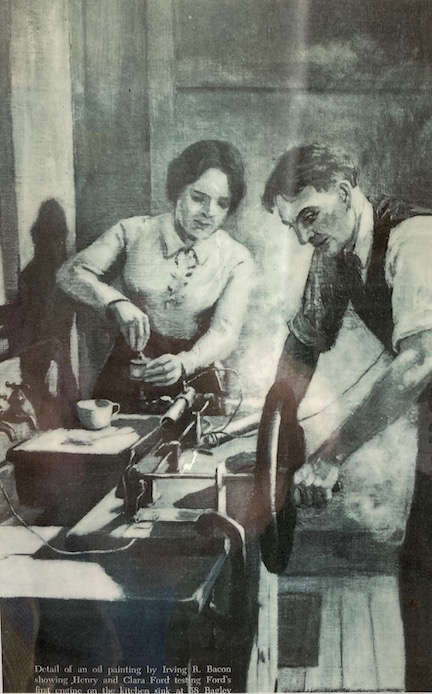
Clara & Henry Ford testing the Kitchen Sink Engine Model

Clara Ford, Henry’s wife, is referenced often in the museum. Perhaps most impressive is her role in the testing of what became known as the Kitchen Sink Engine Model. As Ford lore would have it, on Christmas Eve, 1893, the apparatus was placed over the sink in the Ford family kitchen while Henry worked the ignition and Clara fed gasoline into the intake valve. As noted by auto aficionado Bill McGuire, ‘when the simple, hand-built engine sputtered to life over the sink, Ford’s earliest dream was realized and his remarkable automotive career began.’ Clara is also mentioned in connection to the museum’s non Ford electric vehicle. This story, that Henry purchased the electric vehicle from an automotive competitor for his wife, is one that can be found in nearly every Ford exhibit in any museum. Of course, the question of whether Mrs. Ford actually desired the vehicle, or rather it was purchased to keep her close to home, is never answered.

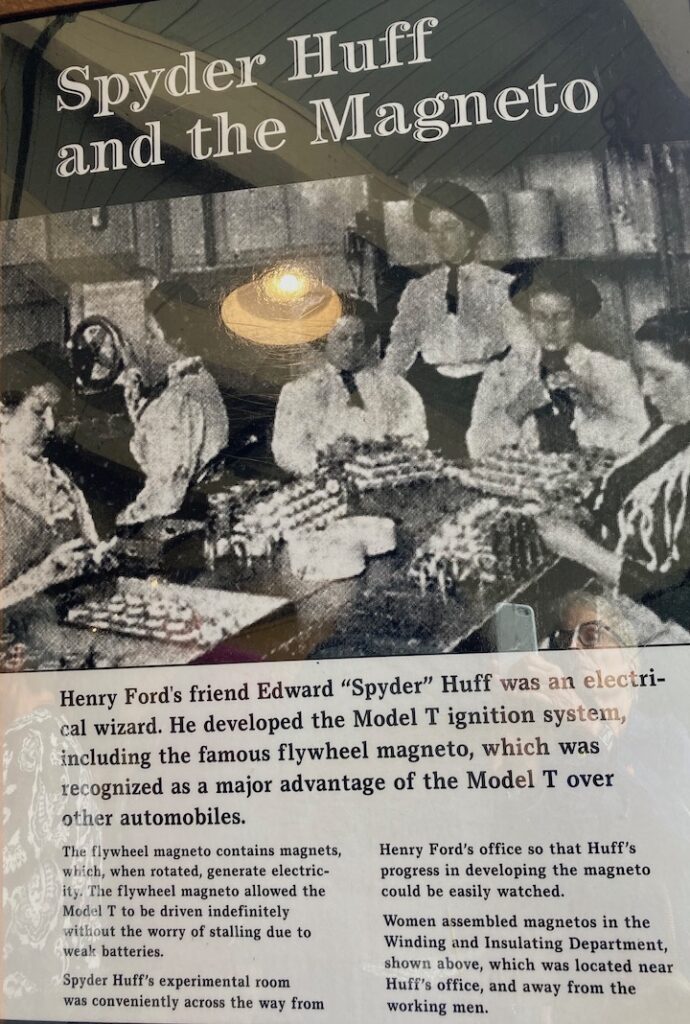
Another interesting exhibit in which women are prominent is that dedicated to automotive inventor Edward ‘Spider’ Huff. Huff helped to perfect the enclosed flywheel magneto – recognized as a major advantage of the Model T over other automobiles of the time. The magnetos were assembled by a team of women in the Winding and Insulating Department, located near Huff’s office and away from the working men. This group of workers were the first women to be employed by Ford. This hidden bit of information also provides a little insight into Ford as a segregated work environment.

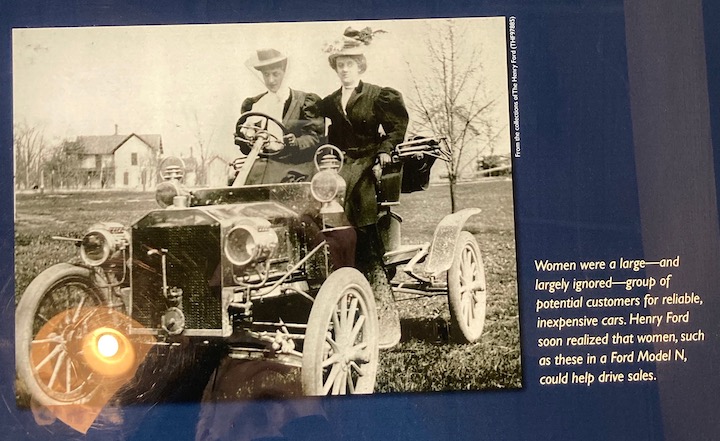
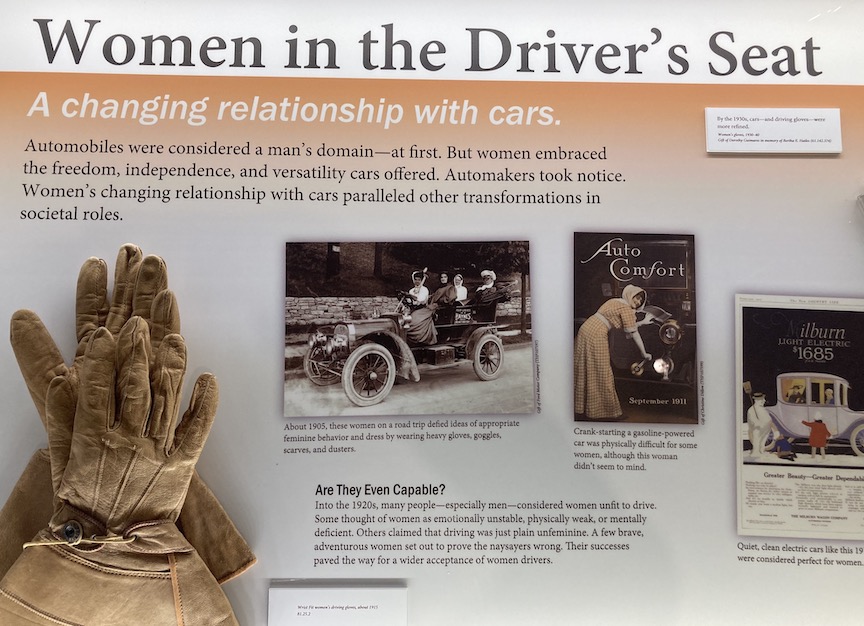
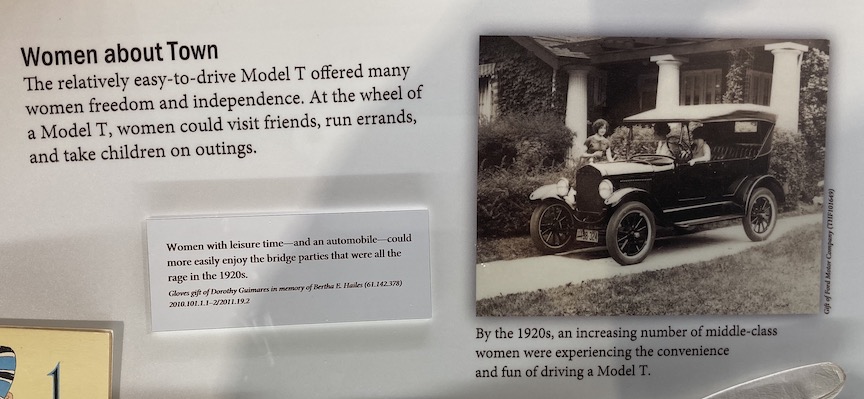
Other references to women include photos of women behind the wheel of Model Ts as well as operating bicycles. Tucked into a corner on the second floor is a photo of women drivers with a caption that notes that, although women were routinely ignored by the auto industry, Ford recognized them as an important market for reliable, inexpensive cars.

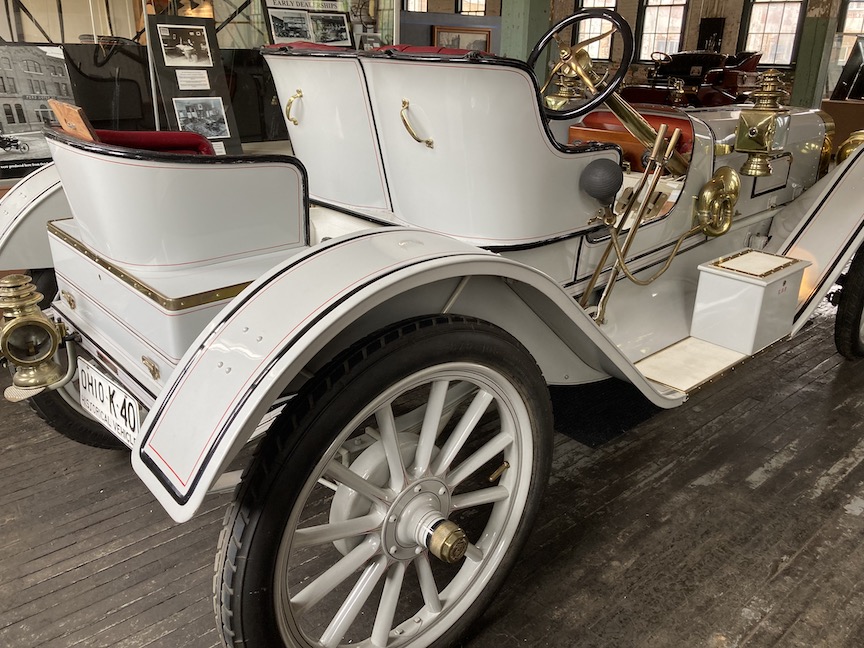
One of the more interesting options of some of the early Fords was the ‘mother-in-law’ seat, a fold down, single person rumble seat in the rear. The commonly used term for this feature no doubt reflects some of the ‘back seat driver’ stereotypes of the time.

Model K Roadster with a mother-in-law seat

We arrived at the museum in time to join the last tour of the day. The tour was a bit rushed, as the facility was being set up for a wedding later that evening. While the tour guide was quite knowledgeable, he was also a bit sexist, embellishing or perhaps even fabricating stories about women’s preferences for particular automobiles. According to this gentleman, women were attracted to the 1907 Model R Runabout for its extensive ‘bling’; to the 1911 Brush Runabout for its easy ride and affordability; and the electric car for its high roof [to accommodate women’s hats], its extensive use of glass [so that women could be ‘seen’], and the seats arranged in living room fashion to ease conversation. None of this was documented in the museum; I suspect it was the guide’s attempt at being ‘funny’ to a captive audience.

The Ford Piquette Avenue Plant is an interesting and historically significant building that provides a unique chapter in the history of the Ford Motor Company. It is certainly worth a visit if you find yourself in downtown Detroit. 

Welcome to Stahl’s Crazy World of Cars

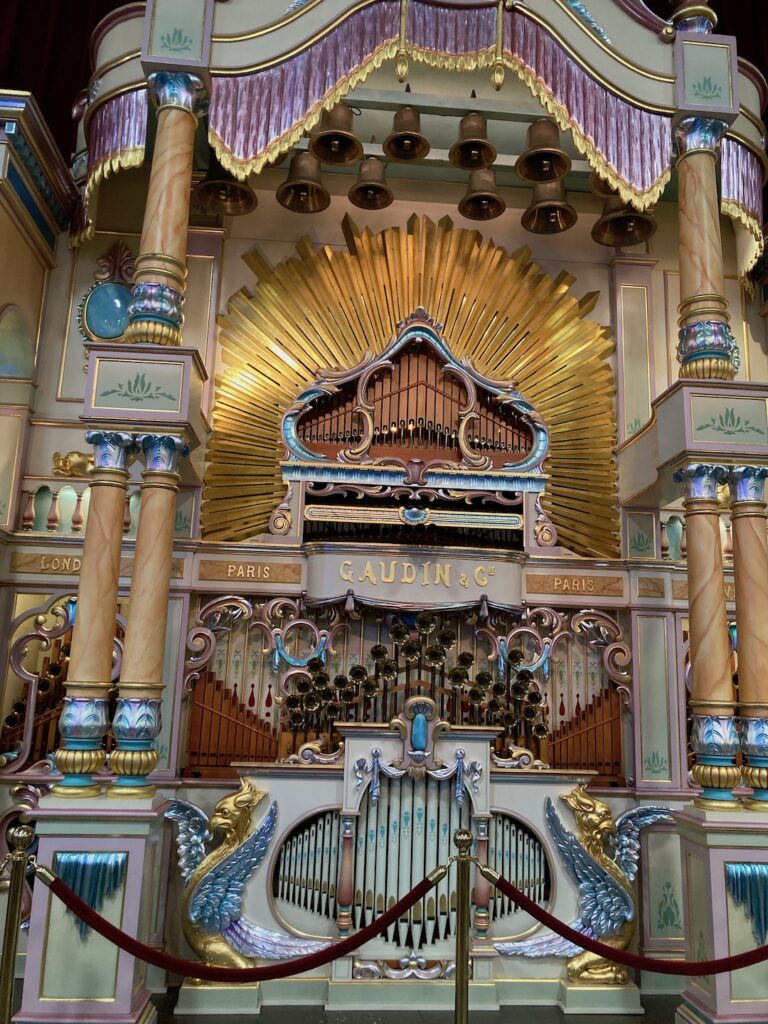
There is nothing subtle about the Stahl Museum. Located in an industrial park in Chesterfield, Michigan, it is a voluminous, warehouse-type space jammed packed not only with vehicles, but also period organs, juke boxes, gas station paraphernalia, neon signs, and automotive artifacts stuffed every available nook and cranny. Automotive advertisements hang from the rafters, and organ music blares from any one of the ornate instruments situated along the perimeter. As a personal collection of Ted Stahl, the museum reflects the interests and particular proclivities of its owner. As noted on the museum website, Stahl’s mission for the collection is ‘to build an appreciation for history;’ that of his wife Mary is ‘to see the smiles on the faces of our visitors.’

The museum is only open to the public Tuesday afternoons and the first Saturday of each month. Not surprisingly, it was quite crowded when I visited on a pleasant day in early April. Parents maneuvered small children through aisles of tightly packed cars while grey-haired guides answered questions and offered historical background. Younger volunteers cheerly took organ tune requests from the public. The atmosphere in Stahl’s can only be described as carnival like, a ‘fun house’ of a museum as it were. More than a mere collection of cars, Stahl’s refers to itself as ‘An American Auto Experience.’

That being said, Stahl’s car collection is quite impressive. It leans toward the vintage and brass eras, which no doubt reflects the owner’s predilection to bright, shiny, and over-the-top objects. Many of the cars display signage from past Concours shows, which, to the auto aficionado, serves as an indication of automotive importance and value. Stahl’s prides itself on its accumulation of ‘some of the world’s most rare and distinctive cars’ and ‘treasures from the past you won’t find anywhere else.’ The gigantic and fantastic music machines that boisterously fill the halls; the ornamented and embellished brass cars that reflect images of all who pass; the flashing roadside signage that cover the walls and hang from the ceiling; the outrageous movie cars in period displays; and the 50s automobiles parked around a drive in diner all contribute to a unique and often overwhelming experience.

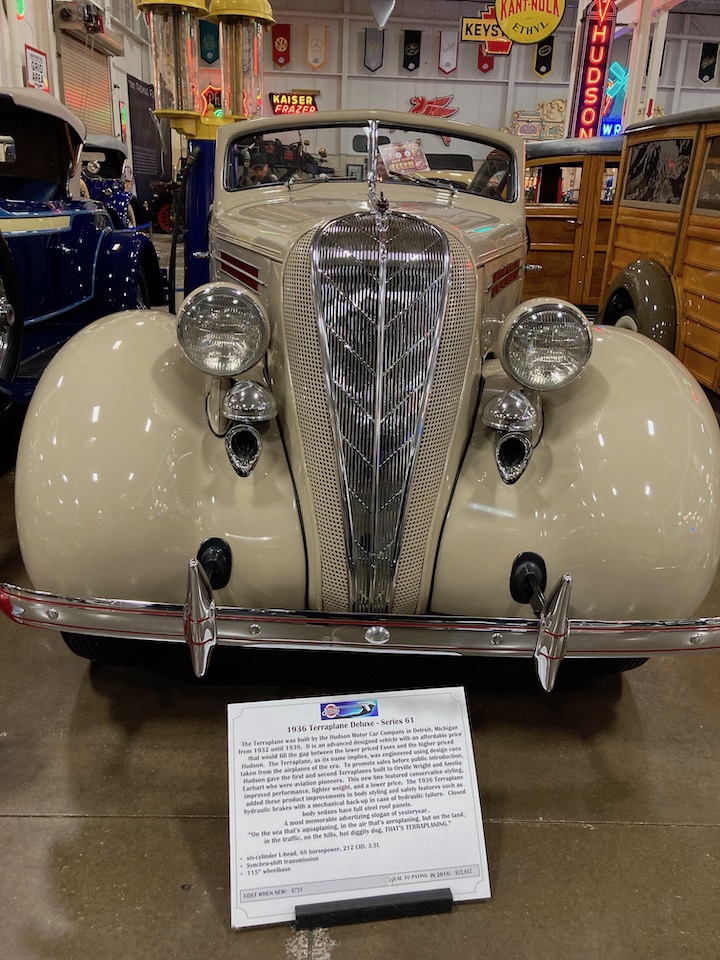
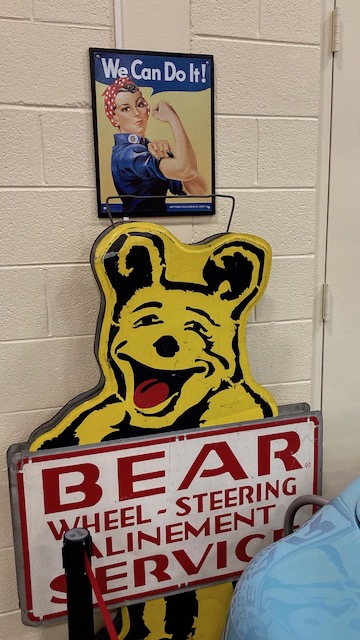
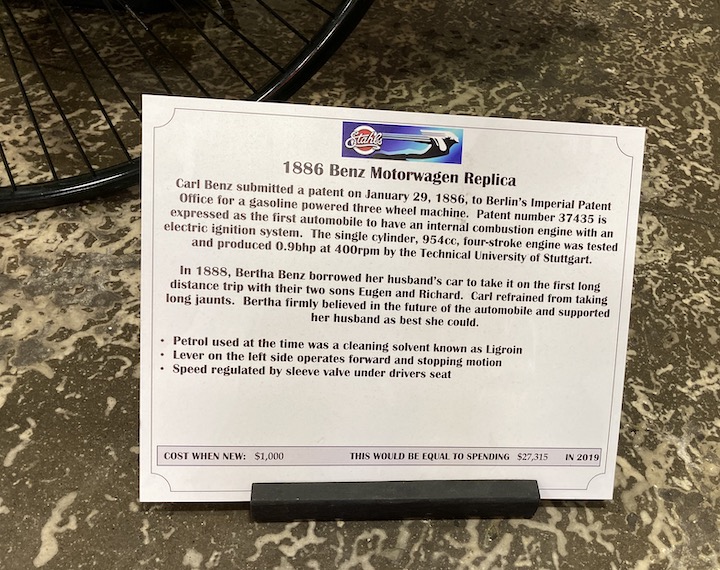
While Mary Stahl’s name appears next to her husband’s on a number of automotive displays as an owner, women’s representation in the museum is minimal and somewhat predictable. Women’s preference for electric cars; Amelia Earhart’s promotion of the 1936 Terraplane; Bertha Benz’s famous road trip; and the custom built automobile of the wealthy Madame Lucienne Benitez-Rexach of France are the only mentions of female automotive involvement. Female imagery is limited to a ‘Rosie the Riveter‘ poster on the gas station wall [next to the rest room] and a couple of female mannequins in the diner display. As Stahl’s is, in fact, the vision of one male individual with very specific and unique automotive and mechanical interests, it is not surprising that representation of women as automotive drivers, users, and influencers are absent in other than the most unsurprising and unimaginative ways.

Auto enthusiasts looking for a fun and unique afternoon will surely enjoy time spent at Stahl’s. As the museum mission is ‘to educate, motivate, and inspire young people with a passion and appreciation for vintage vehicles,’ the staff at Stahl’s endeavors to make the experience memorable and fun for all family members. But if you decide to make a visit, just make sure to bring a set of earplugs with you.

Women at the Automotive Hall of Fame

My first visit to the Automotive Hall of Fame in Dearborn, Michigan was about 15 years ago. I remember being rather unimpressed; if, at that time, I had to describe what ATF was or what it was about, I would have remarked that it was an automotive institution devoted to the accomplishments of old white men. The current AHF website notes that the museum, established in 1939, was originally called the ‘Automobile Old Timers,’ which suggests my initial impression was not all that far off. The automotive industry is a historically masculine enterprise; it is not surprising that a museum focused on early industry leaders and innovators would reflect a single-minded and determined male perspective.

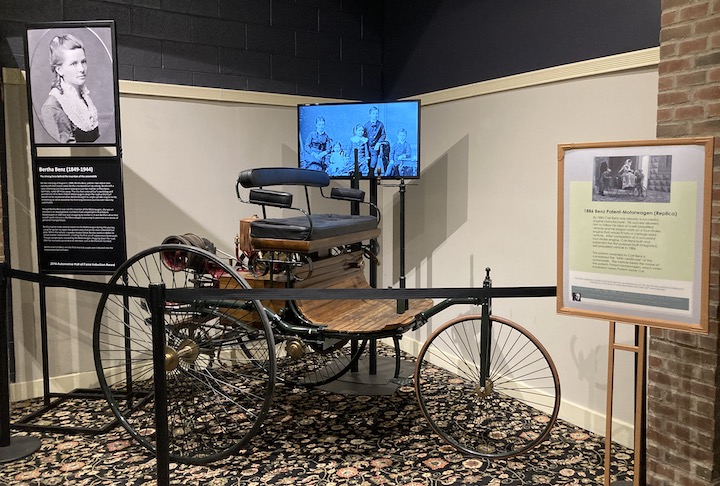
Bertha Benz

Due to the inherent nature of a ‘hall of fame,’ the AHF is not a typical car museum; it is not focused on automobiles but rather significant individuals in automotive history. As the promotional material explains, ‘The mission of the AHF is to honor and celebrate the accomplishments of individuals in the international motor vehicle history through awards and educational programs […]’ The AHF is a small museum occupying just one floor; a path winds its way through the exhibits that serves as a chronology of the industry’s important contributors, ending in the center hall which honors the AHF recipients. 

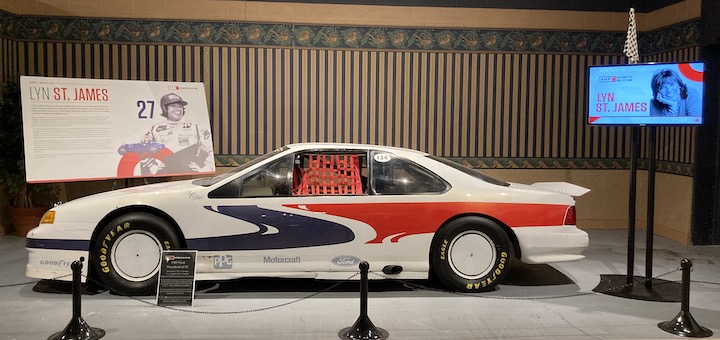
Lyn St. James

Much has changed since my initial AHF experience. While there can be no argument that the early auto industry was dominated by white men, much effort has been made to include women and people of color influential in automotive manufacturing, sport, and culture. Attention is given to the early female hall inductees, including Alice Ramsey, Denise McCluggage, Shirley Muldowney, Bertha Benz, and Janet Guthrie. A prominent exhibit featuring 2022 inductee Lyn St James includes one of her race cars; it is accompanied by a running video in which celebrated women such as Billie Jean King and First Lady Jill Biden praise St James not only for her many motorsports accomplishments but also for her continued work on behalf of women.

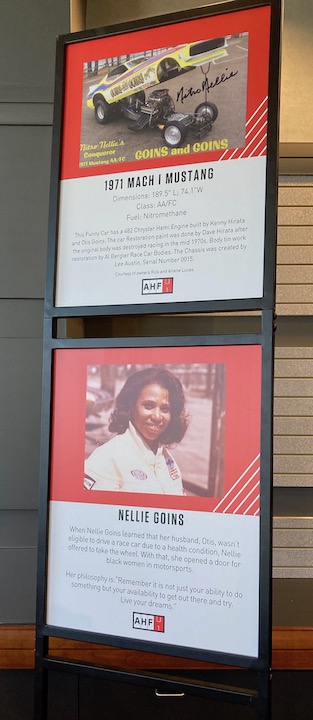
‘Nitro Nelli’ Goins

In honor of Black History Month, the AHF developed an extensive exhibit centered on the automotive achievements of African Americans. Of the 19 individuals singled out, six are women. In the AHF entry hall, the funny car of ‘Nitro Nelli’ Goins – an individual who opened doors for black women in motorsports – is on display. The focus on Goins and St James serve, perhaps, as an introduction to the AHF women in motorsports exhibit planned for late 2023. 

The transformation of the Automotive Hall of Fame from an institution focused on the accomplishments of a select group of homogeneous individuals to that which celebrates the hidden diversity within industry contributors is quite remarkable. It suggests that while the masculine origins of automobile history and culture are universally accepted and acknowledged, the automotive contributions of those who fall outside the mainstream are also worthy of recognition and respect.  

Day at the Henry Ford

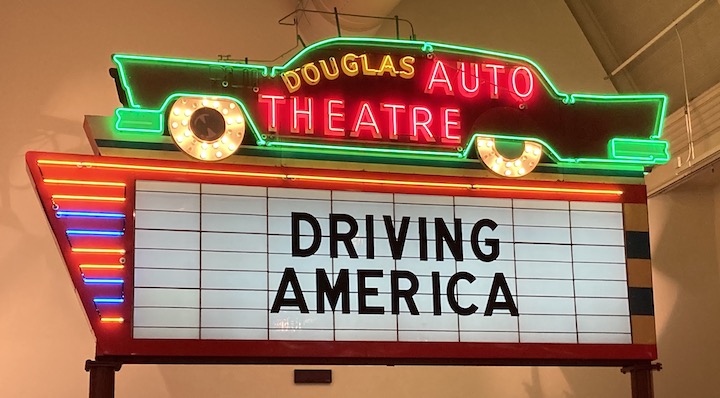
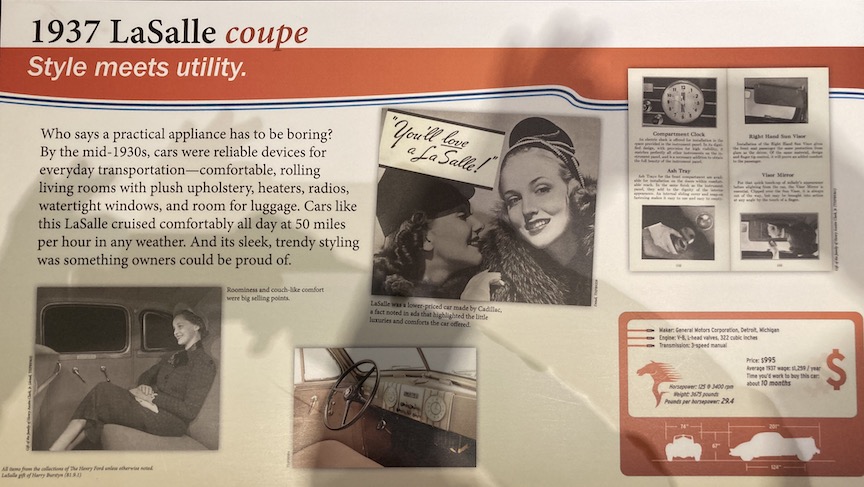
As someone who grew up about a half mile from the city of Dearborn, I have visited the Henry Ford and Greenfield Village many times in my life. But the museum took on new meaning once I began my research into the relationship between women and cars. The Henry Ford Museum of American Innovation, as it is now called, has gone through many updates, redesigns, and reimaginings in my lifetime. Once a confusing collection of artifacts and vehicles, the space is now organized into a number of well-defined areas. The two sections that focus on the automobile – Driving America and Driven to Win – make up just over a third of the museum space.

The two driving-themed areas are less about cars than about car culture. As the curator of transportation Matt Anderson states, “the exhibit is not so much about the automobile itself, but about our relationship to it.” Driving America addresses how cars affected American lives, and in turn how American living shaped car culture. While there are certainly a plethora of vehicles on display, the cars most often serveas representatives of a particular era, event, pastime, or purpose. Cultures, institutions, and establishments developed because of the automobile  – hotels, service stations, campsites, and roadside restaurants, for example – are integral to the car stories on display.

Driven to Win, the newest exhibit within the Henry Ford, describes itself as a history of racing in America, from soap box derbies to Indy car, stock car, and drag racing. It accomplishes this by focusing on the many innovators and champions of motorsports through interactive displays, historic race cars, artifacts of groundbreaking drivers, racing simulators, and displays that “immerse the visitor in the stories, images, thrills, and sounds of auto racing.”

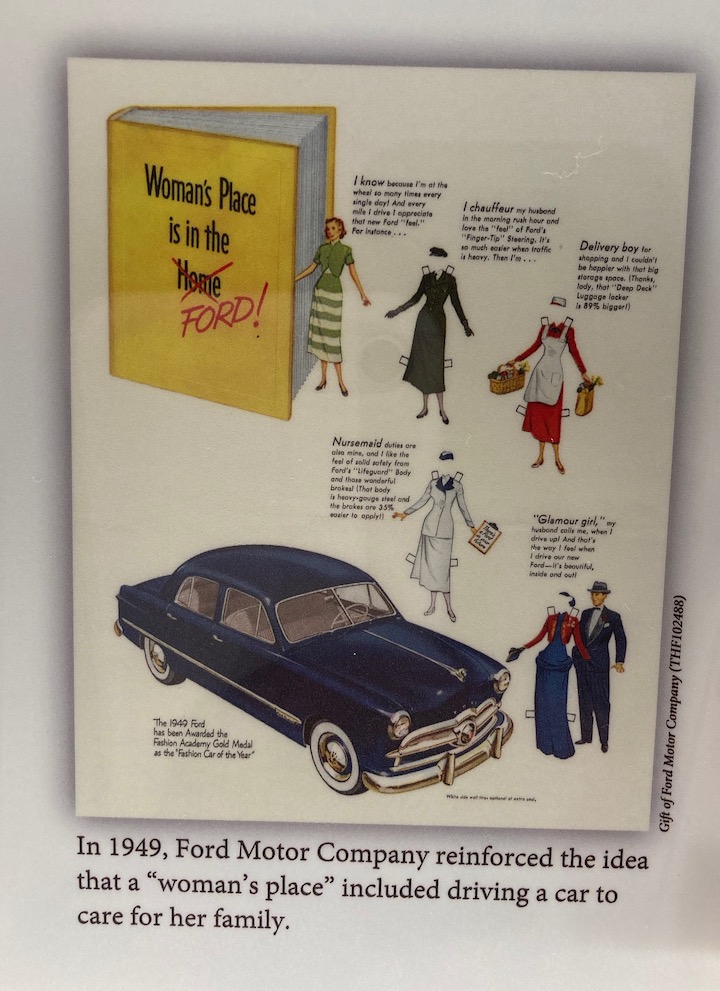
Because the exhibits focus on car culture rather than particular automobiles, women are very much present as consumers, drivers, workers, and influencers. They are introduced as early proponents of bicycles and the Model T as well as the minivan. They are represented in promotions about style, design, and safety. Women’s changing roles in advertising – as objects, symbols, moms, and adventurers are also addressed. While notable women in automotive history make an appearance, it is ordinary woman of extraordinary influence who take center stage.

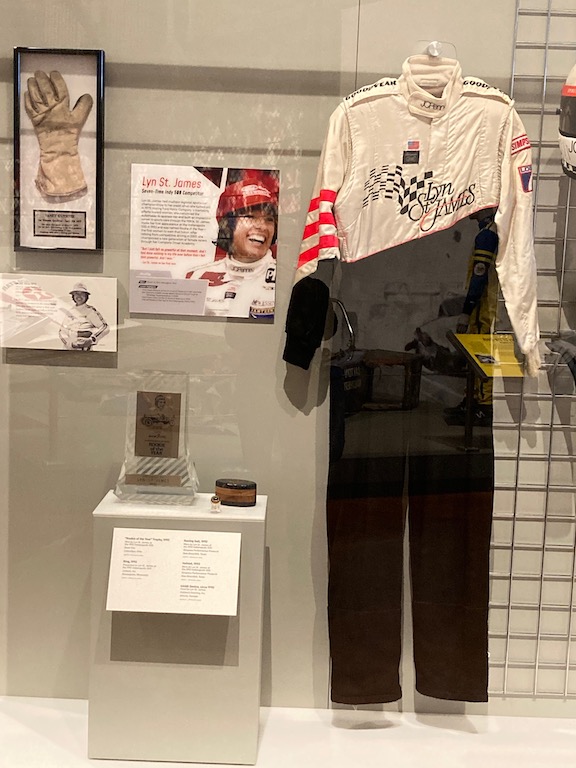
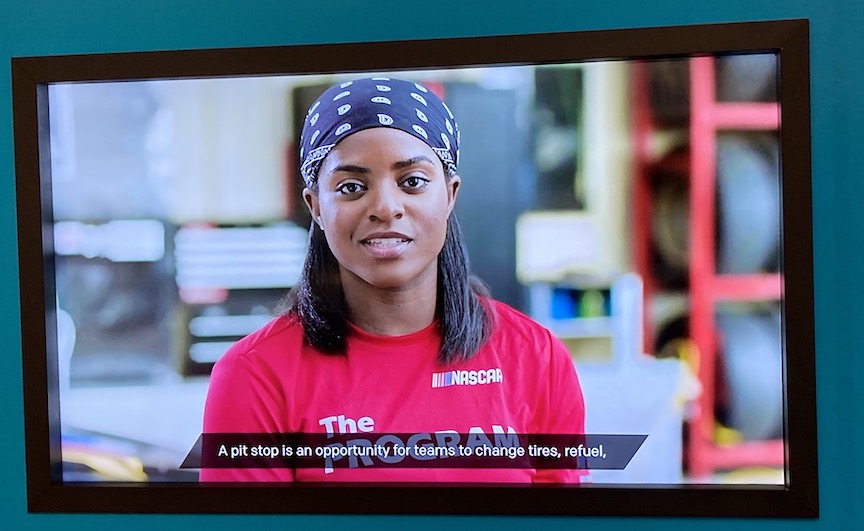
Driven to Win includes artifacts and success stories of the expected exceptional women in motorsports. However, women behind the scenes – as pit crew workers and mechanics – are also well represented. While women’s relationship to the automobile has historically been relegated to the sidelines, the Henry Ford makes a concentrated effort to incorporate the women driver as an integral participant and contributor to automotive culture.

As I happened to visit the Henry Ford during March – Women’s History Month – many of the exhibits with a female focus were highlighted. Driven to Win featured artifacts of celebrated race drivers including Janet Guthrie, Sarah Fisher, and Danica Patrick. Attention was drawn to a 1955 Chrysler 300, similar to one driven by Vicky Wood – the fastest woman at Daytona. The Ford Rouge Factory Tour featured an opportunity to ‘Meet the Rosies’ as the denim-clad presenters related inspiring stories of the Wonderful Outstanding Women [WOW] who helped win World War II as part of the “The Arsenal of Democracy.’ 

While the ‘typical’ automotive museum focuses on the history of a particular manufacturer or the interests of a generous collector, the Henry Ford employs a broader approach to its significant collection. As the museum CEO notes, ‘we don’t just display the vehicles, we bring the past forward by immersing our visitors in the stories of ingenuity, resourcefulness and innovation that have made America the great country it is today.” And that resourceful past includes the contributions, influence, and participation of the woman behind the wheel. 

Visit to the Sloan

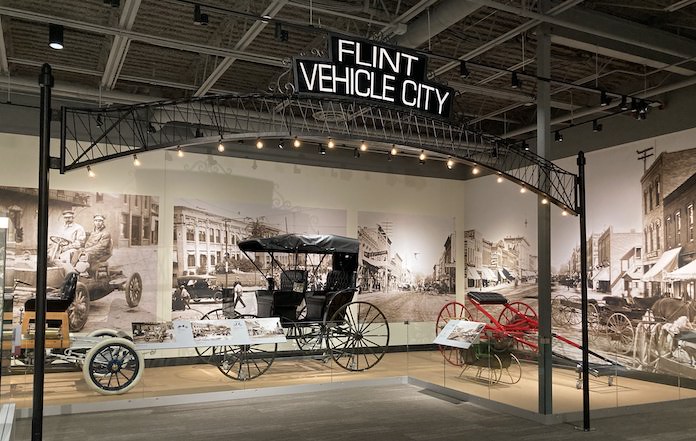
I first visited the Sloan Museum in Flint, Michigan a number of years ago. I remember the Sloan Panorama of Transportation as a pretty typical car museum – over 100 vehicles in a voluminous space with placards describing each car. That original Sloan Museum building, built in 1966, closed in 2018 for a major overhaul and expansion. After a 5 year hiatus and $30 million renovation, the newly imagined Sloan Museum of Discovery re-opened to the public in July 2022.

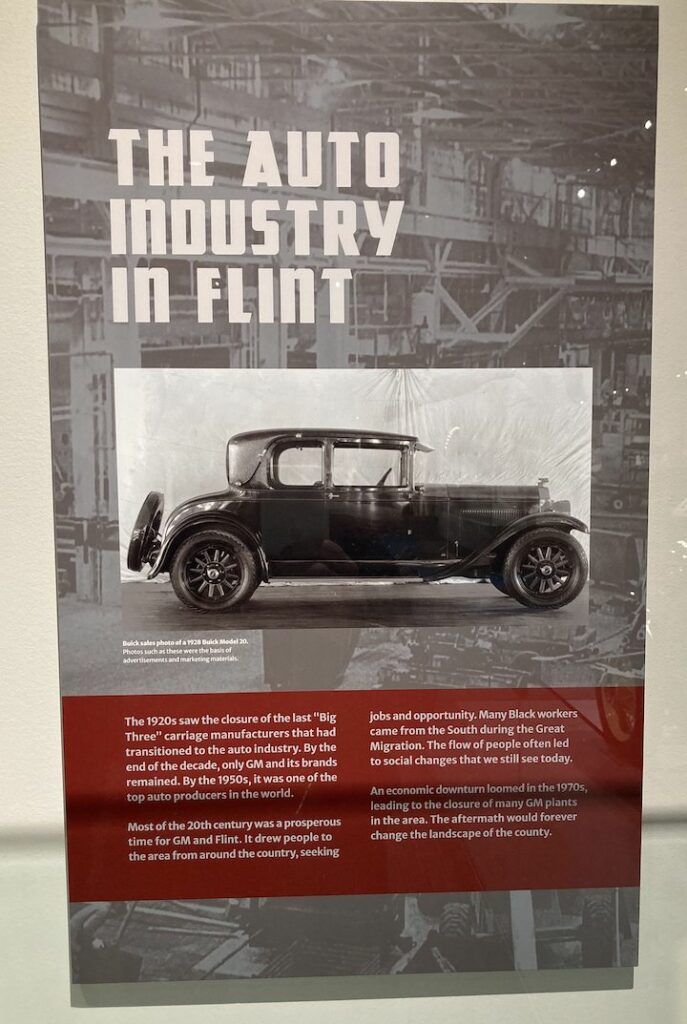
The transformation of the Sloan Museum is not in name only; rather, it embraces a totally new, different, and exciting concept. The old museum was geared toward the car enthusiast – individuals interested in the automobile itself rather than how cars related to the culture. In the new museum, cars are not the focus but rather take a supporting role. As the museum is primarily geared toward children [it was packed with kids during my visit], the automobile is called upon primarily as an educational tool. The automobile is intertwined with Flint’s history, which is reflected in the interactive exhibits in the History Gallery. While the automobile does not take center stage, the influence of the automotive industry is evident in stories about Flint life, employment, neighborhoods, schools, housing, and tourism. The History Gallery leads into the Durant Vehicle Gallery, which offers rotating exhibits about the history and future of the automobile. In this large space, the roughly 30 cars are on display not as examples in their own right, but as representative of automotive innovations that impacted people’s lives, including the automatic transmission, safety features, brakes, tires, comfort, and style.

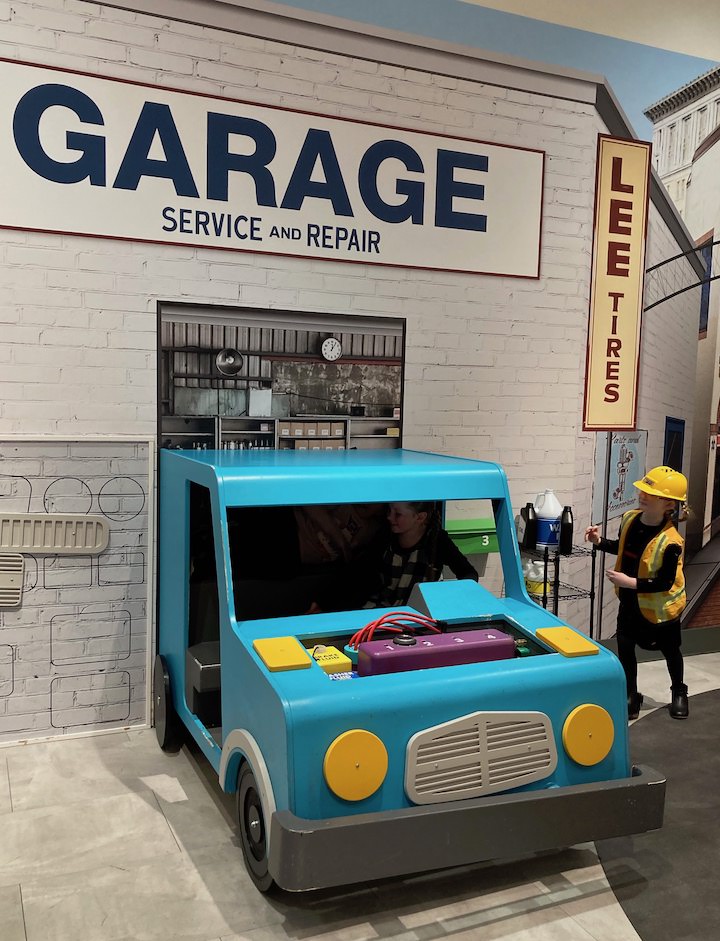
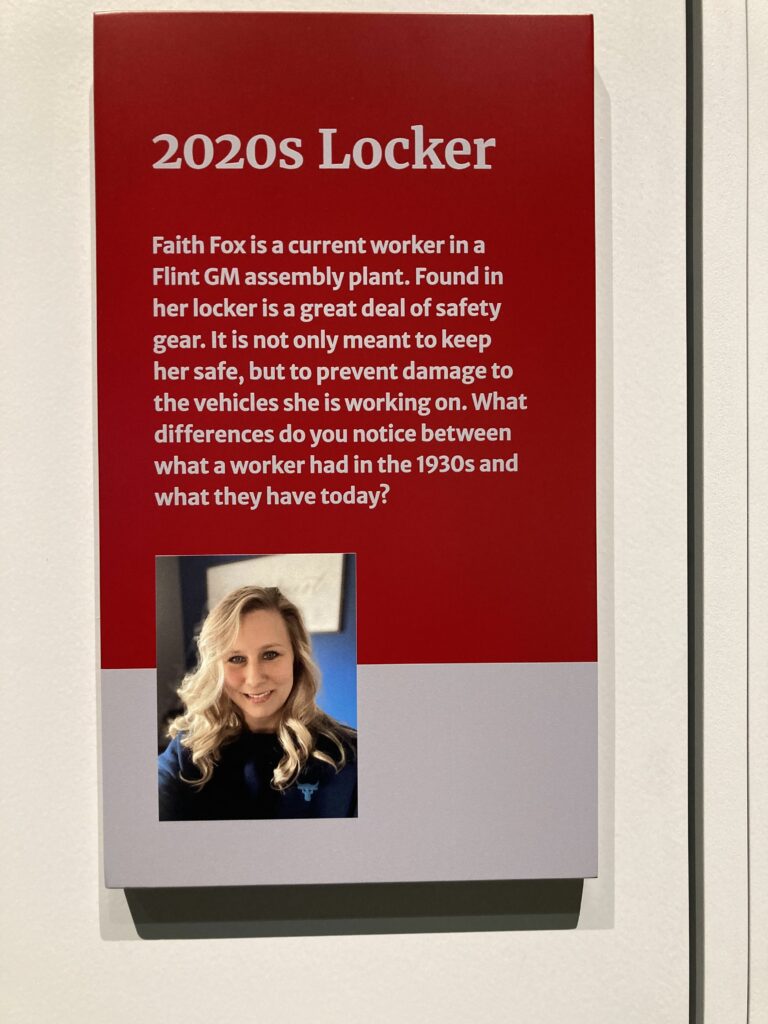
Unlike its former incarnation, the Sloan Museum of Discovery is not all about cars; rather, the two auto-themed galleries are only part of a larger space which includes four hands-on learning galleries and exhibition hall geared toward young children. One of the galleries included a simulated car repair shop which welcomed kids to try their hands at automotive mechanics. I was pleased to see a young girl in a hard hat and safety vest working diligently under the hood.

The visit to the Sloan Museum of Discovery was undertaken as part of my current project to examine how women are represented in automotive museums. While women were not prominent in the museum exhibits, they were present in small but important ways.

The ‘Dunning Carriage to Cars Exhibit’, part of the History Gallery, is funded by the Margaret Dunning Foundation. The signage accompanying the exhibit reads: ‘Dunning was a successful businesswoman known for her love of classic cars. She established the foundation in her name in 1997. It nurtures the preservation and teaching of automotive history and other charitable interests in Michigan.’ Dunning was a philanthropist, history buff, classic car enthusiast, and huge proponent of automotive education. Her foundation not only funded the exhibit in Flint, but also programs in automotive technology and auto design in various schools throughout the state. Her contributions to the Sloan are in tandem with the museum’s mission to serve as an educational experience and resource for residents of Genesee county and other Sloan visitors.

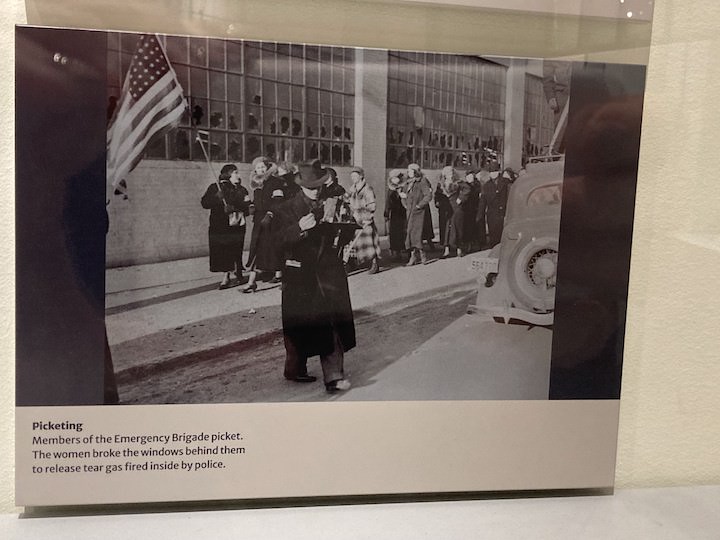
Other references to women include their important role as members of the Emergency Brigade during the 1936 General Motors Sit-Down Strike. As noted in Jalopnik, “Many think of factory work, and therefore a strike in the automotive industry, as something primarily men would do. But it was the members of the Women’s Emergency Brigade, a paramilitary group of women inside the United Auto Workers union, who proved to be the secret weapon in that group’s triumph over General Motors.” Women are also included in exhibits focused on safety – in the car and on the factory floor.

The museum does not shy away from the auto industry’s negative impacts on the city of Flint. An underlying theme in the History Gallery involves the automobile’s affect on race relations through the displacement of black Flint residents via expansion, highway construction, and eventual loss of industry to the area.  

While my intention in visiting the Sloan was to examine how women were represented, I came away impressed with how the museum endeavors to serve as a source of automotive education of all who visit, regardless of age, race, or gender.

The ‘First Ladies’ of Oldsmobile

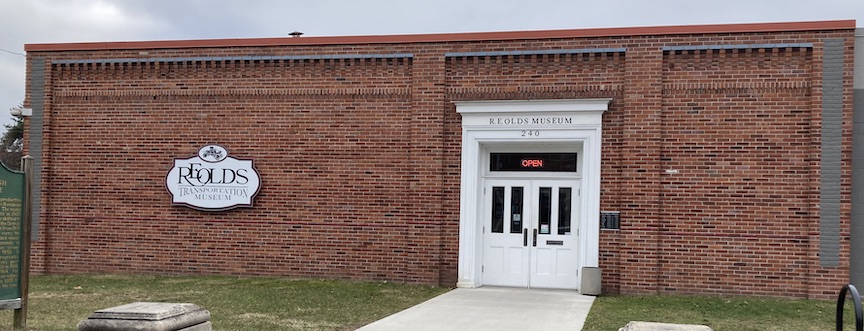
R.E. Olds Transportation Museum in Lansing, Michigan

I continued my investigation of women’s representation in automotive museums by stopping by the R.E. Olds Transportation Museum in Lansing, Michigan. As I work my way through this project, I am discovering that the focus of a particular museum is most often determined by the interests and intention of its founders. While the museums I have visited thus far have been structured around either a place or a collector’s interest, the Olds Museum – like its name – is an automotive collection assembled based on a major car manufacturer and the man who lent it its name. The layout of the museum reveals its two identities: first, as a [literal] road through early Oldsmobile history, and second, as a looser collection of more recent Olds automobiles, additional REO endeavors, artifacts, related businesses and industries, and a bit of 1950s car culture. While the first section of the museum is tightly organized, the large back ‘dealership’ room is a little more hodgepodge, encompassing a wide variety of Olds, GM, Fisher Body, and tangential industry paraphernalia.

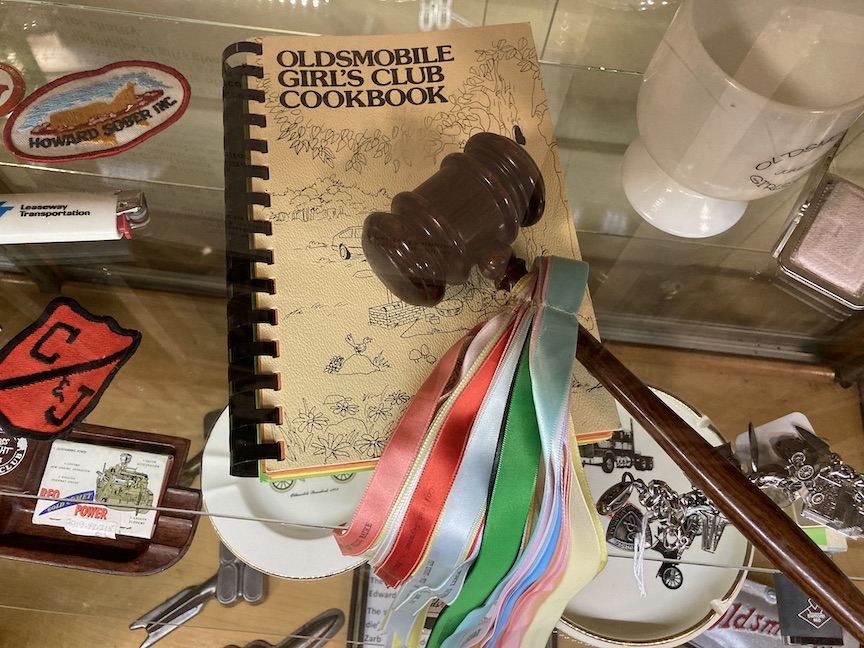
Oldsmobile Girls Club Artifacts

Because the museum is centered on a man and a car, women are not well represented. Like many of the museums I’ve visited, [visual] references to women are primarily related to fashion. There are many female mannequins placed throughout the museum garbed in the styles of a particular time related to the automobile. Other references to women include those who have donated vehicles to the collection, advertisements and promotional material, photos of [unidentified] female factory workers, and ephemera [such as employee nametags]. A glass case includes a small display of items related to the Oldsmobile Girls Club – a 1950s-60s women’s community organization – that includes photographs, programs, mugs, sewing kits, charm bracelets, vanity items, ashtrays, and a cookbook.

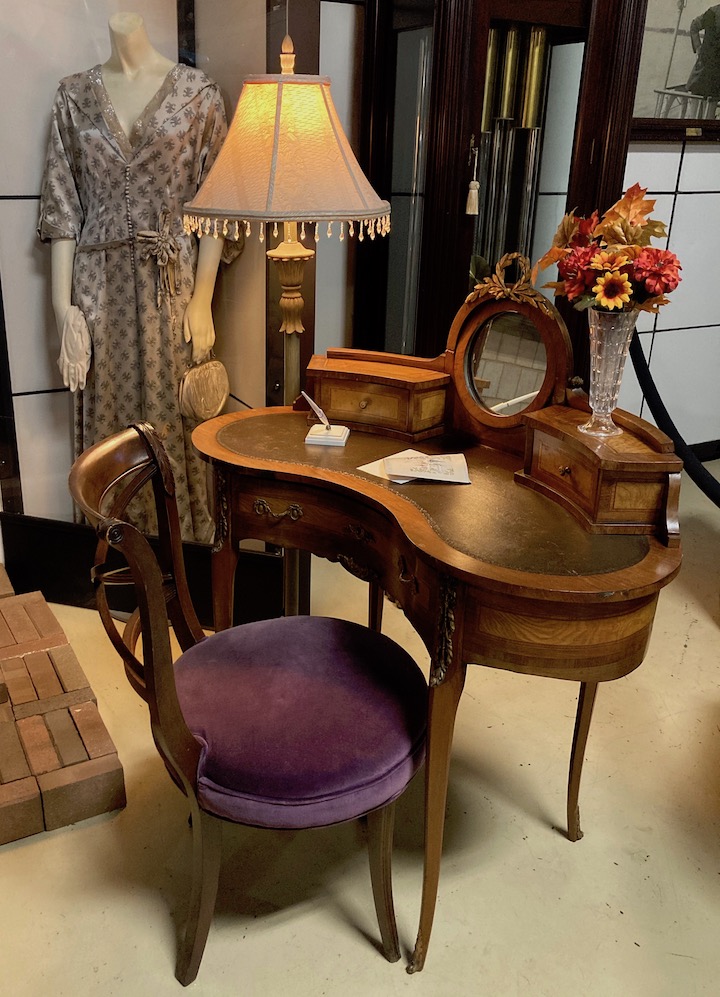
Metta Olds Reading Desk

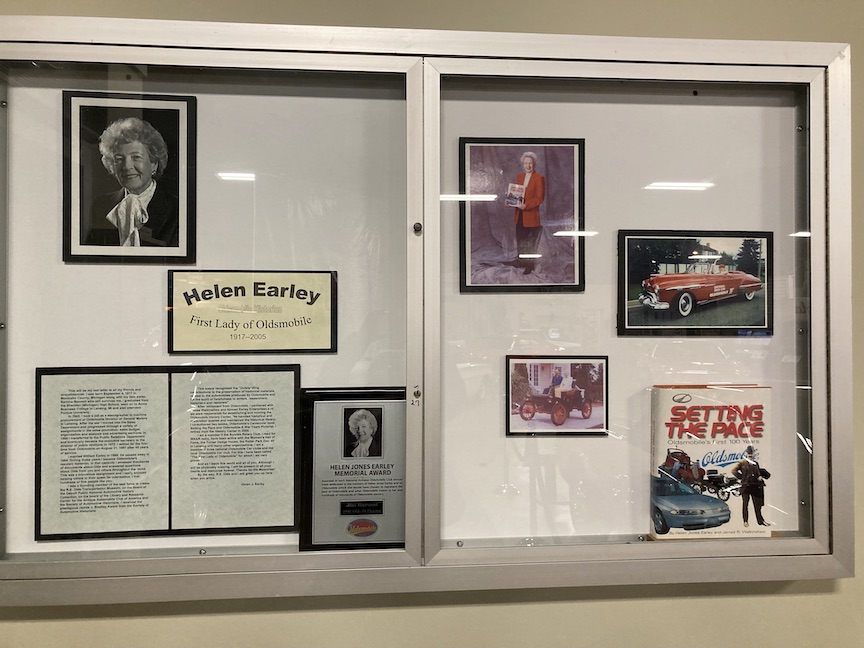
While women – as workers, drivers, and club members – take a back seat to the major automotive leaders on display, there are two that are named, and thus deserve special attention. The first is Metta Olds, who was married to Ransom, popularly known as ‘R.E.’ The tour through the museum begins with a focus on the Olds family and homestead. Much of that is devoted to Metta – photos, family trees, furniture, personal items, and clothing. Metta was very much a silent partner and supporter of her husband; a book titled Loves, Lives, and Labors was written about their strong relationship and Metta’s roll as ‘woman-behind-the-man’. While, as the wife of the founder, Metta could easily be referred to as the ‘First Lady of Oldsmobile’, that title was, in fact, bestowed on Helen Earley, a longtime employee who, through a number of positions, created a position for herself as the resident Oldsmobile historian. Automotive historian Robert Tate writes that Earley, as a scholar, historian, and archivist, ‘contributed a great deal of knowledge to the automotive community.’ During her career, Earley and another retiree helped establish the Oldsmobile History Center. She also co-authored two books on Oldsmobile history: Setting the Pace: Oldsmobile’s First 100 Years written with James R. Walkinshaw, and Oldsmobile: A War Years Pictorial. Earley was also one of the founding task force members responsible for creating the R.E. Olds Museum; she also served as a board member for the National Automotive History Collection, the Library and Research Center for the Antique Automobile Club of America, and was a recipient of the prestigious James J. Bradley Award from the Society of Automotive Historians. This award recognized the ‘Outstanding contributions to the preservation of historical materials related to the automobiles produced by Oldsmobile and for the spirit of helpfulness to writers, researchers, historians and restorers’.

Despite Earley’s importance to Oldsmobile history and the museum, one has to search to find out anything about her. There is her name over the board room, a portrait on the board room wall, and a card clipped to a driving outfit on one of the displays. I finally discovered a glass case containing some photos and her self-authored obituary in a hidden away corner of the ‘dealership’ room. Although recognized as the designated ‘first lady’, Earley receives what can be described as second-class attention.

Helen Earley ‘The First Lady of Oldsmobile’

The RE Olds Transportation Museum was an interesting stop on my tour of automotive museums. While the collection focuses on a specific individual and the company he founded, women’s unique contributions to Oldsmobile can be uncovered if one looks hard enough. 

Visit to the Ypsilanti Automotive Heritage Museum

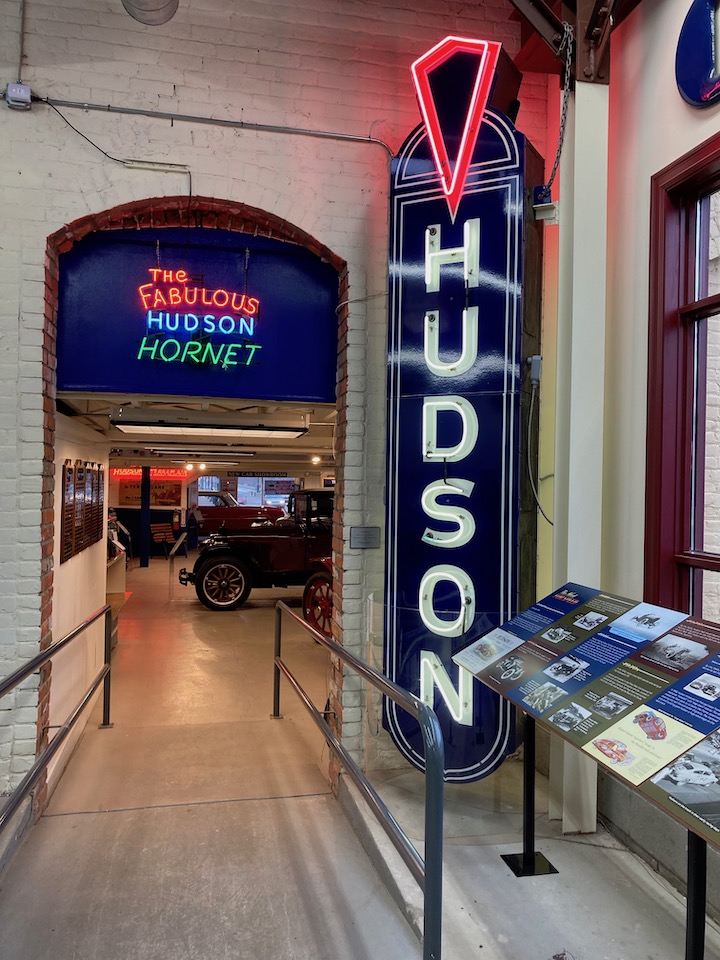
One of the benefits of living in Southeastern Michigan is the plethora of automotive museums – from small local sites to large curated collections – within a reasonable driving distance. I had the opportunity this weekend to visit a small but fascinating museum just 20 minutes from home – the Ypsilanti Automotive Heritage Museum. The YAHM is located in a former Hudson dealership in Ypsilanti’s Depot Town. Ypsilanti, which borders Ann Arbor, was an important site of automotive manufacturing in the early to mid 20th century; the collection reflects the important role Ypsilanti played in the history of the automobile. Each room in the museum focuses on automotive stories that originated in Ypsi: the Chevrolet Corvair, Tucker, Hudson, Kaiser-Frazer, General Motors Hydra-Matic, the Ford Motor Company Generator Plant, and local car dealerships. A section of the museum is devoted to the Willow Run assembly plant – also located in the Ypsilanti area – which was originally constructed in 1941 by the Ford Motor Company for the mass production of the B-24 Liberator military aircraft. In 1959 the facility was converted for the production of automobiles which included the Corvair, Nova, X-bodies, the GM-H body, and the Chevrolet Caprice. The National Hudson Motor Car Company Museum is also housed within the YAHM. The mission of the museum, as stated on the website, is ‘to archive information relating to the automotive industry and its relation to the city of Ypsilanti and surrounding communities.’

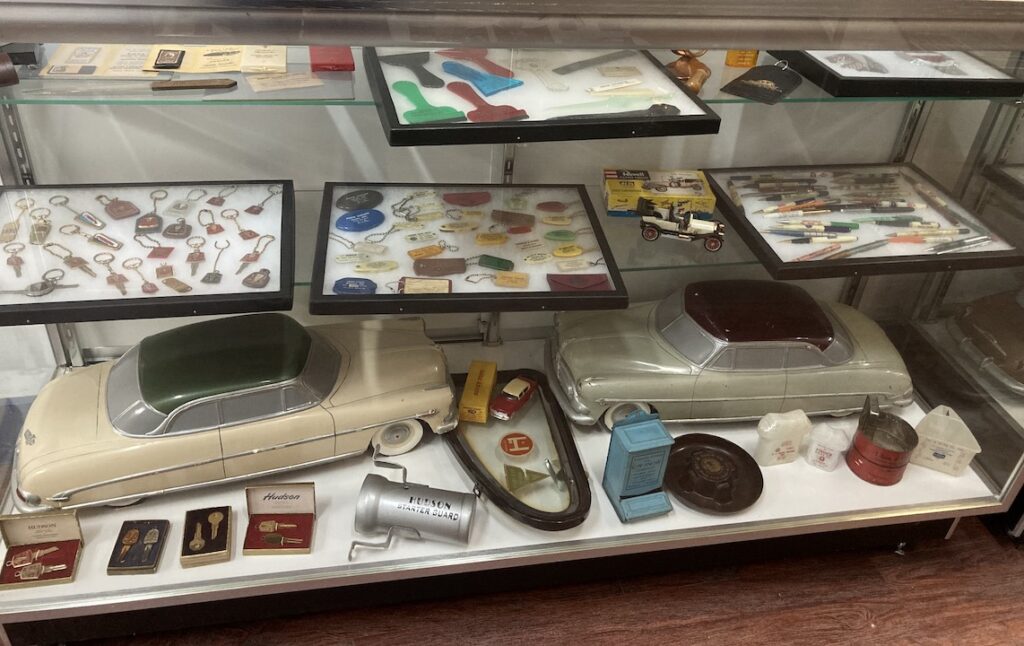
Automotive dealer paraphernalia

The museum not only houses automobiles with Ypsilanti connections, but also paraphernalia and promotional materials associated with automotive brands and local dealerships. These include, but are not limited to, signage, uniforms, badges, pencils, watches, bottle openers, keyrings, rulers, matchbooks, baseball bats, knives, pins, and small model cars. Go down any hallway and you will find walls covered in photos of Ypsilanti based car clubs, histories of local dealerships, signage from car lots and showrooms, and cases crammed full of automobilia. Every inch of available space is covered in automotive artifacts that relate to Ypsilanti’s role in automobile manufacturing, sales, and culture.

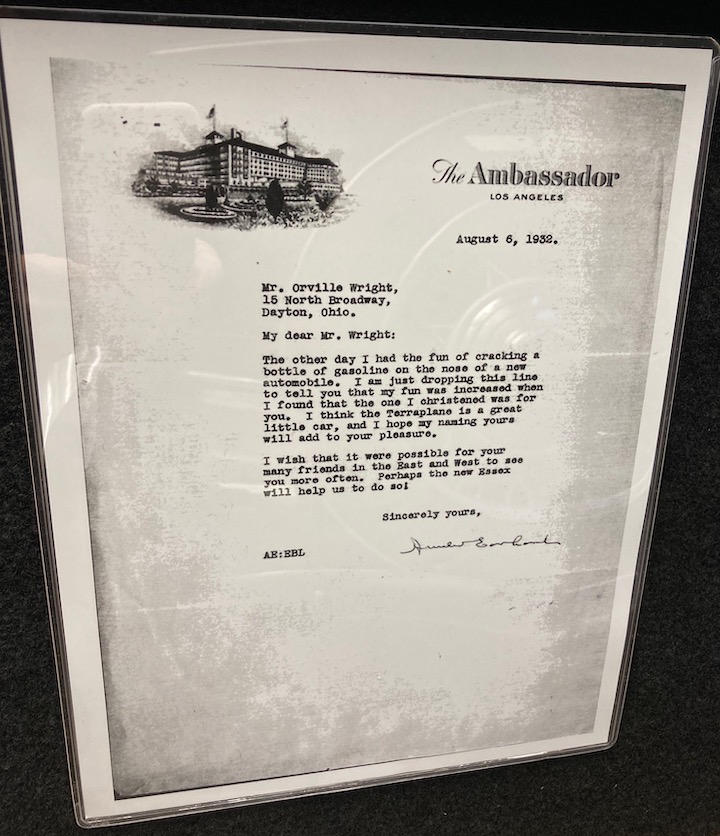
Letter from Amelia Earhart

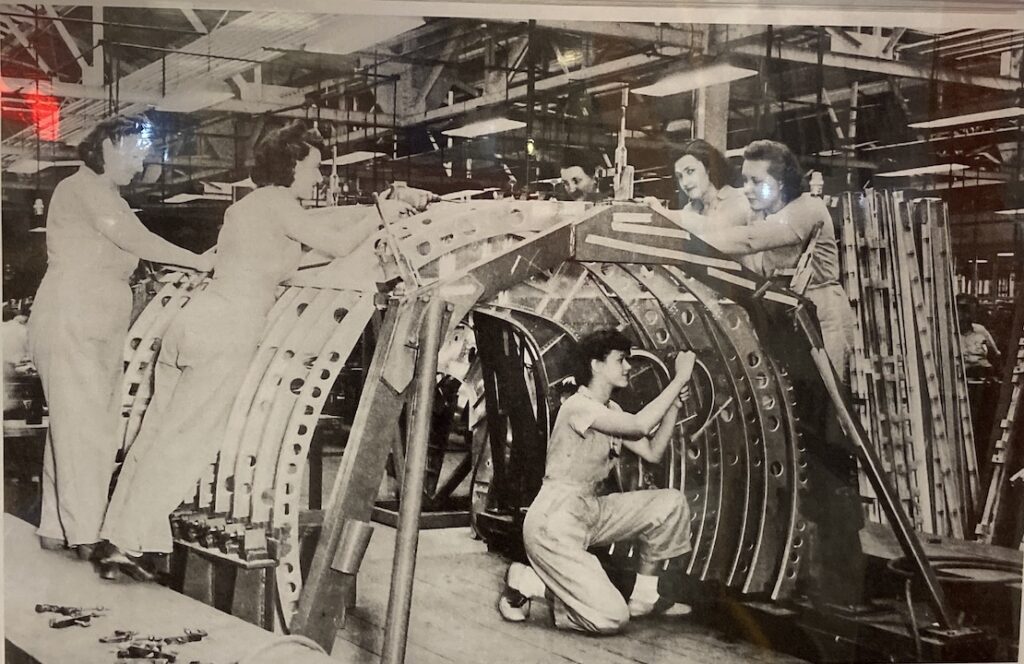
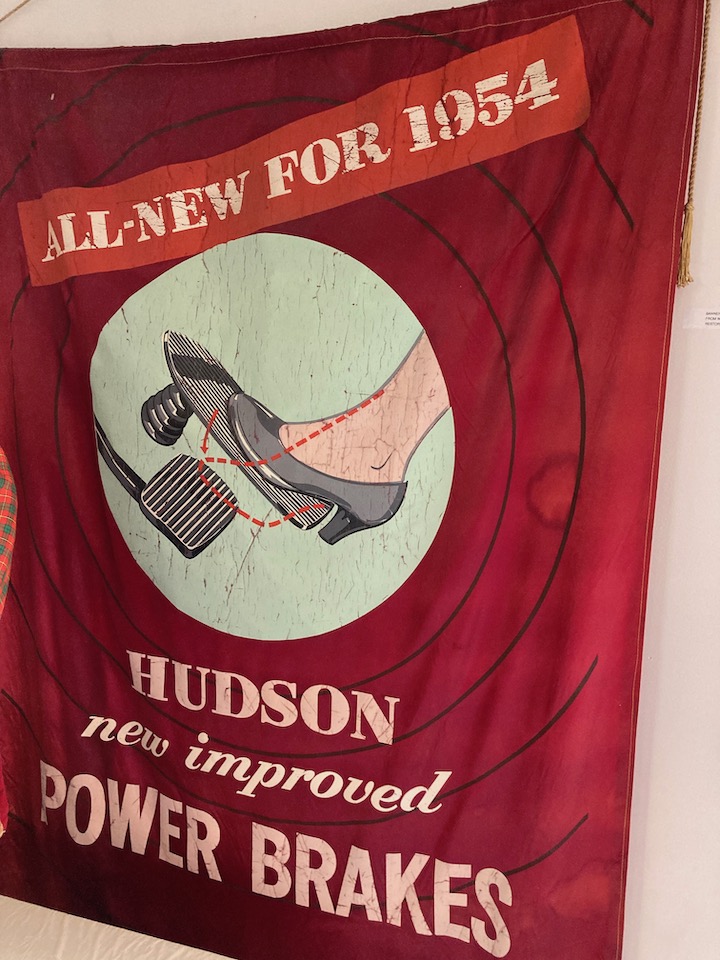
While on first glance the museum appears to have a very male-oriented collection, women are present, albeit subtly, in almost every exhibit. The representation of women reflects their rolls in automobile manufacturing and culture at various times in local automotive history. The three main themes that emerged through my tour through the YAHM were famous women as promotors of automobiles [such as Mary Astor and Amelia Earhart – who in 1933 christened the first Hudson Terraplane], women who conveyed positive automotive model attributes through advertising and promotional materials, and women who served the country in WWII as Willow Run factory workers. This imagery was interspersed through various museum exhibits. There were also photographs of female employees in the various automotive environs, although the women were not always identified. Some of these autoworkers served as models in various promotional materials. The museum also includes automobiles owned and or/donated by women, including a 1951 Kaiser Speical Traveler placed in the YAHM by Blanche Mericle – the former head of the Seaway region of Kaiser-Frazer Owners Club International.

Women workers at Willow Run

While there is little direct reference to women, the museum offers a multitude of clues as to how women influenced and participated in the automobile industries of Hudson, Kaiser-Frazer, and the production at Willow Run. Their representation suggests they were an important albeit silent component of the various automotive interests and industries that took place in the greater Ypsilanti area. While not prominent in the displays, they are visible and suggest that women had an unspoken but valuable impact on the automotive activities of the major Ypsilanti associated automakers.

Hudson promotional banner

As I am discovering as I make my way through this project, automotive museums serve a variety of purposes. While the first two I visited reflected the automotive interests of the museum founders and major contributors, the YAHM is very much focused on a time and place in Michigan’s rich automotive history. In its cluttered yet purposeful way, the Ypsilanti Automotive Heritage Museum reveals how the car culture of specific manufacturers emanated throughout the area to touch and affect many aspects of Ypsilanti life, including those of its female citizens and workers.

Visit to the Gilmore Car Museum

This past weekend I had the opportunity to visit the Gilmore Car Museum in Hickory Corners, Michigan as part of my newest project that focuses on women’s representation in automotive museums and collections. I last visited the Gilmore a number of years ago during a muscle car event as part of research conducted for my book. As that car show was held outdoors, I never had an opportunity to explore the many buildings on the expansive Gilmore complex.

‘Quiet, Clean, and Easy to Operate’

The Gilmore Museum was originally established in the early 1960s as a place to store and display the growing automobile collection of Donald Gilmore. Although the museum has grown significantly since that time, inhabiting a number of buildings on the 90 acre parcel, it is still very much a collector’s museum, centered on the particular automotive interests of its founder. While the collection includes popular cars from the 1950s and 60s, the overwhelming majority of vehicles on display hail from the early auto age. Not only are there rooms in the main building devoted to steam powered automobiles, the Franklin Automobile Company of the early 20th century, cars of the 1920s and 30s, as well as early Lincoln models, but there are separate on site buildings featuring the Ford Model A and Cadillac LaSalle. These automobiles represent eras in which automobile production and car culture participation was very much a white male enterprise. This narrow focus on a particular automotive experience is no doubt responsible for the invisibility of women as owners, drivers, or influencers within the automotive collections and exhibitions. The introductory video – which visitors view before entering the museum – states that the museum’s mission is ‘to tell the story of America through the automobile.’ However, the stories that are told – beginning with those of the youngest car enthusiast – are filtered through a determinedly male perspective.

1886 Benz

Of the over 400 cars currently on display, only a handful have any female reference. One of those is the 1886 Benz. Bertha Benz, the wife and business partner of automobile inventor Karl Benz, is recognized as the first person to drive an automobile over a long distance. In doing so, notes the display placard, she brought the Benz Patent-Motorwagen worldwide attention and got the company its first sales. Mrs. Benz is often rightly regarded as an ‘exceptional’ woman in automotive history, as both an influencer and outspoken proponent of women’s automobility.

The only other car directly linked to a woman is a 1971 Dodge Challenger Convertible donated to the museum by its original owner. Lena Plymale purchased the car at the age of 19, used it as a daily driver until 1978, and kept it in storage until its 2008 restoration.

Lena Plymale’s 1971 Dodge Challenger Convertible

The Benz and the Challenger are the only vehicles in the massive collection in which the ‘story’ is told by a woman. There are two others that refer to women in a general sense. The 1931 Buick Victoria Coupe is displayed alongside advertising that reflects the manufacturer’s efforts to promote this particular vehicle to women drivers; as the ad reads, the synchro-mesh transmission ‘makes every woman an expert driver, enabling her to shift gears smoothly and easily at any speed.’ The display for the 1915 Rauch & Lang Electric noted that both Mrs. Henry [Clara] Ford and Mrs. Thomas [Mina] Edison drove electric vehicles. Whether this was the women’s choice or whether they were ‘encouraged’ to drive electrics by their husbands is impossible to say.

The majority of reference to women in the museum is related not to cars, but to fashion. There are photographs, advertisements, display cases, female mannequins, and signage which link women to styles of the respective eras scattered among the various automotive displays.

What I found most disconcerting in my tour of the museum was the Automotive Activity Center geared toward the young car enthusiast, an enclosed area with auto-related play activities and information. Two of the walls were devoted to a display of vehicle designs produced by winners of the Fisher Body Craftsman’s Guild competition held from the 1930s to 1960s. This national auto design contest, sponsored by the Fisher Body Division of General Motors, ‘helped identify and nurture a whole generation of designers and design executives’ (Jacobus 2). As the poster on display indicates, the competition was for boys only. This production of male technological knowledge, Ruth Oldenziel writes, ‘involved an extraordinary mobilization of organizational, economic, and cultural resources’ (139) in which ‘girls found themselves excluded as a matter of course’ (141).  A large collection of early automotive toys fills two display cases on an adjoining wall. Of the hundreds of toy cars on display, only two feature a female behind the wheel. A young girl entering this activity center would not see herself; rather, she would walk away with the impression that the automotive world is a male one, reinforcing the gendered assumptions that have permeated car culture for over 100 years.

For the future [male] Cadillac owner

Certainly much of women’s invisibility in the collection can be attributed to the original intentions and interests of its founder. The Gilmore is, in fact, a reflection of an older [white] male sensibility, an expression of an automotive education in which women were absent or excluded. However, what is distressing is that in the 60 years of its existence, very little effort has been made to integrate women into the history of the automobile. While the museum claims to tell the story of America through the automobile, it is a story in which women are most often absent in other than the most stereotypical of ways.

Jacobus, John. The Fisher Body Craftsman’s Guild: An Illustrated History. Jefferson NC: McFarland, 2005.

Oldenziel, Ruth. “Boys and Their Toys: The Fisher Body Craftsman’s Guild, 1930-1968, and the Making of a Male Technical Domain.” In Boys and Their Toys: Masculinity, Class and Technology in America, edited by Roger Horowitz, New York: Routledge, 2001: 139-168.

A Visit to Hershey & a New Project

While there have been many histories devoted to the automobile since it first appeared on the American scene in the early twentieth century, very few pay particular attention to women’s automotive involvement or interest. This absence is not only evident in the thousands of publications devoted to automotive history, but in locations such as the automotive museum as well. My newest project examines the representation of the woman driver in a dozen or so automotive museums. It will consider how each museum positions the role of women in automotive history, the methods by which women’s automotive involvement and impact is displayed, how women’s position in automotive history is regarded in comparison to that of men, and perhaps offer suggestions as to how museums might better address the role and influence of women in automotive history and American culture. While most of the museums I plan to visit are located in southeastern Michigan and neighboring states, I took the opportunity to stop by the AACA Museum in Hershey, Pennsylvania while in town for meetings and events of the Society of Automotive Historians
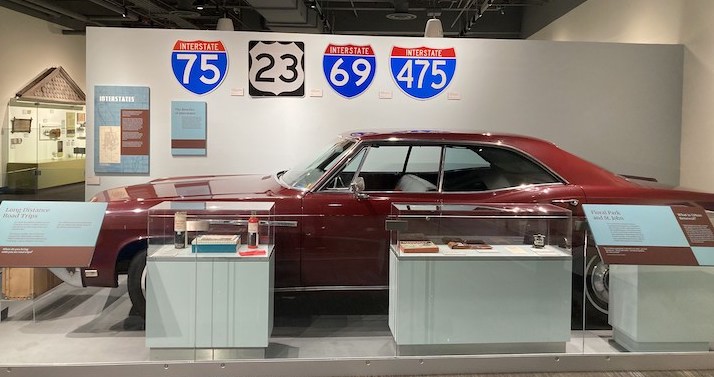
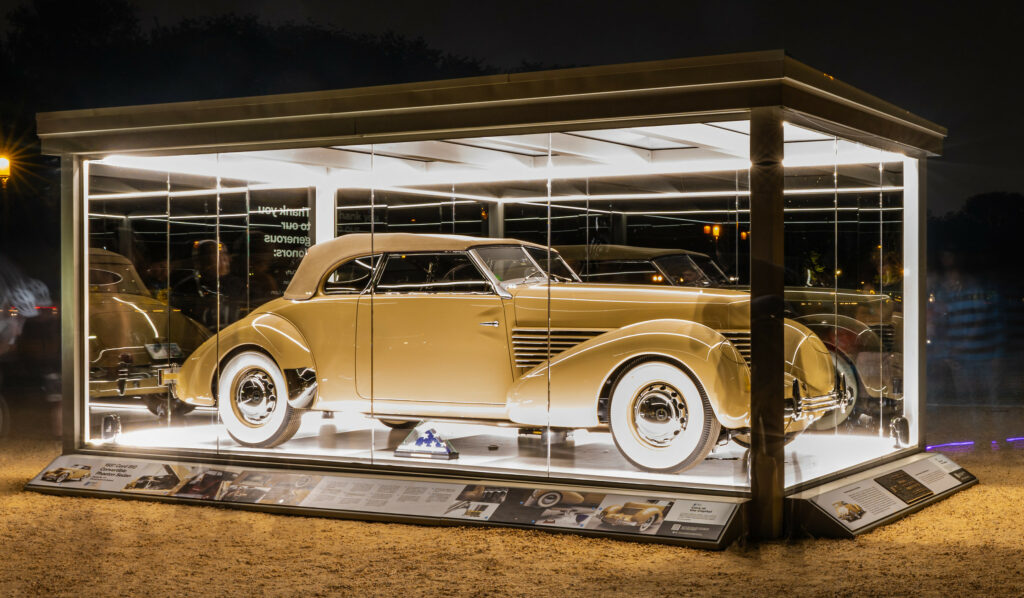
The AACA Museum was originally conceived as an ‘automobile collector’s’ museum. While the museum has expanded to include both permanent and special exhibits, its foundation as a holding place for collected automobiles is evident. Many of the automobiles are accompanied by a placard which provides information about the car as well as the donor. Included are the specifications of the automobile as well as personal stories about how the car was obtained and used. As I walked through the building, I noted that there were a few cars donated or previously owned by women. These included a Berkshire green and white 1961 Nash, with a “Patti’s Met” front license plate, a 1940 Mercury handed down from father to daughter, and a 1935 White built especially for a prominent female Boston ophthalmologist. 

While female mannequins were featured in some of the displays, and photographs that pictured women in or around historical automobiles were placed in a few of the exhibits, how women used the automobile or women’s influence in automotive history was not addressed. Some of this has to do with the nature of the museum – the exhibits were often constructed around the donated automobiles in the collection. However, someone visiting the museum could easily get the impression that women were not, in fact, a part of automotive history at all. The absence of women reinforces the notion that automobiles and automotive history are a strictly masculine enterprise.
There was one exhibit – tucked away in a corner – that included a small section devoted to the role of “Women on Road Maps.” This was part of a special exhibit earlier in the year that was transferred to the permanent road map display. As the press from the April event reads, the display highlights “how women were portrayed on map covers through the 20th century. As motoring became more accessible and popular with women and families, women were portrayed sometimes as navigators, sometimes drivers, sometimes in glamorous style, and sometimes as moms. We salute the role of women in motoring and the artistic renderings gracing map covers and travel promotion.” While the information on the map collection was interesting and informative, with full-color samples of the representative map covers, the signage was placed so high above the main display it was nearly impossible to read. It is unfortunate that the only display to address women’s automotive history in any fashion was hidden in a corner and inaccessible to all but the most determined museum visitor.

This first stop on the museum project – the AACA Museum in Hershey – was not only a nice break from the myriad of SAH activities, but further convinced me that women’s representation in automotive museums is a topic very much worth investigating.