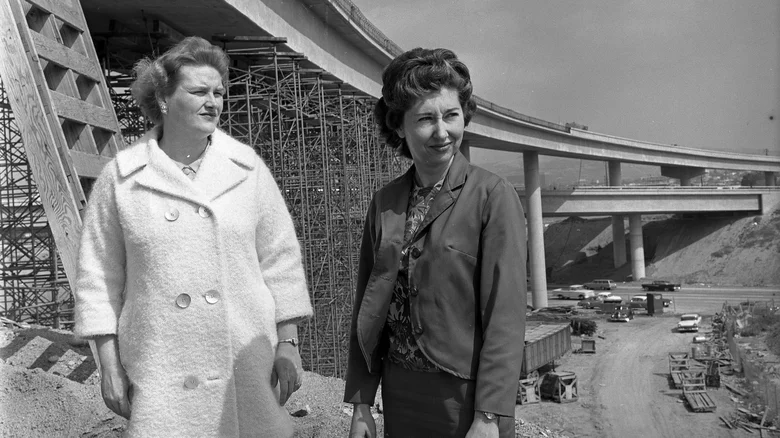
Jalopnik, a news and opinion website about cars, the automotive industry, racing, transportation, technology, motorcycles, and much more, recently published an article which delved into the woman whose name graces the 10 and 405 interchange in Los Angeles, California. Marilyn Jorgenson Reece was a woman of firsts. She was the first woman in California to hold a full civil engineering license, the first female resident engineer of the California Division of Highways, and the first woman assigned to design an interchange in the state. The interchange design, notes Jalopnik, was far from straightforward; “it required handling one of the most congested junctions in a city already defined by its freeways, while accommodating vehicles moving at sustained high speeds.” Female civil engineers were a rarity when Reece earned her degree from the University of Minnesota in 1948. My late aunt, who entered Southern Methodist University in 1942, was the only female in the school’s civil engineering program. Reece was rewarded for her breakthrough achievement, first by receiving the Governor’s Design Excellence Award in 1962, being recognized by the American Society of Civil Engineers as a lifetime member, and four years following her death in 2004, becoming memorialized in the dedication of the interchange in her name – the Marilyn Jorgensen Reece Memorial Interchange.
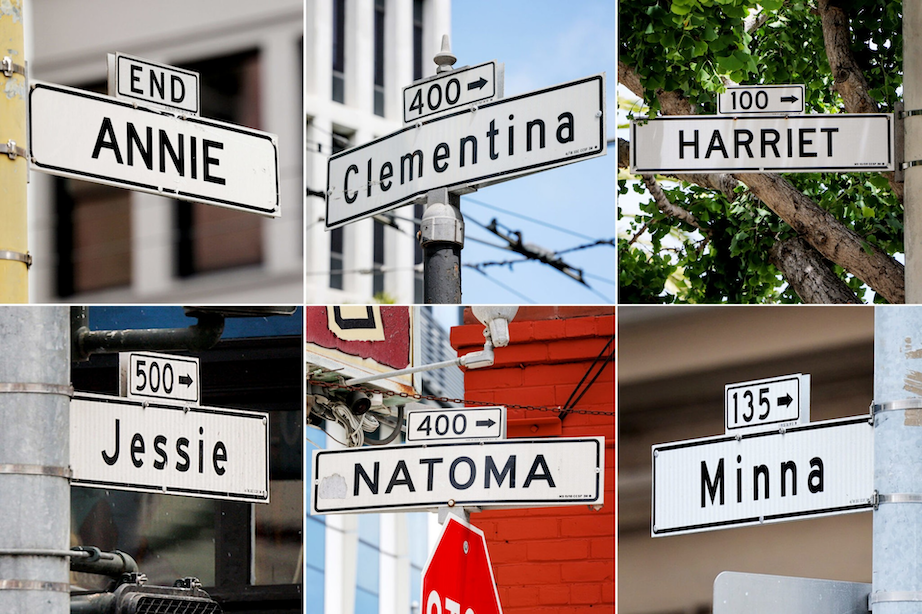
This news story was not only interesting for its attention to the significant but little-know accomplishments of a remarkable engineering pioneer, but it also got me to wondering how many other US interchanges, highways, and city streets were named after women. The answer, which was not unexpected, is very few. Nearly three quarters of US streets honor men. Thousands of streets across the country are named after George Washington, yet the person-title streets in major cities that recognize women is less than 10%. There are a number of reasons for this roadway gender gap. For most of American history, men held public office, real estate development roles, and leadership positions. When streets, subdivisions, and towns were platted, developers and male leaders typically honored male politicians, landowners, war heroes, or family members. Secondly, society has historically recorded and celebrated the public achievements, military service, and business success primarily of men. Women’s contributions – often rooted in domestic, community, or uncredited labor – were rarely deemed “monumental” by city planners and therefore not considered as street-naming possibilities. When women did get streets named after them, it was usually as the daughters, wives, or relatives of wealthy landowners or mayors rather than for independent public achievements. My current city of residence, Ann Arbor, Michigan, was named after the founder’s wife Ann, as was the street two blocks from my house. Interestingly, it is rumored that the high number of streets seemingly named for women in San Francisco – Clementina, Ramona, Mary, and Harriet – were named after hookers. Finally, most American street networks were laid out and named permanently by the mid-twentieth century – prior to the women’s movement’s efforts to recognize female contributions – locking in the patriarchal naming conventions of those decades.
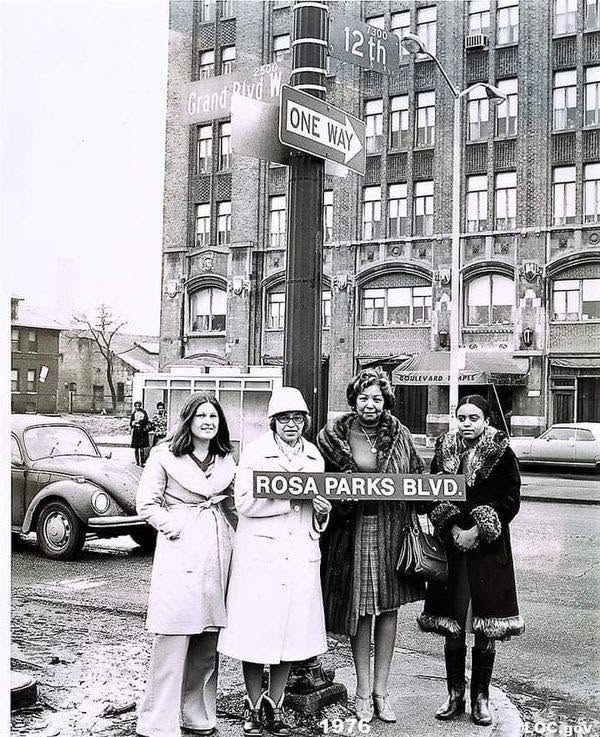
The objective of the Feminist Street Initiative, launched by the Women’s March Foundation on the fifth anniversary of the 2017 Women’s March, is to “reclaim our streets” and “rename streets across the United States to reflect the names of those women who have earned their place in history.” The individuals considered for recognition include feminist and historical icons Dolores Huerta, Gloria Steinem, Maya Angelou, Wilma Mankiller, Ruth Bader Ginsburg, and Sojourner Truth. In my own hometown of Detroit, Rosa Parks Boulevard is one of the only roads in the city [re]named for an influential woman. Los Angeles leads the way when it comes to streets that honor those who weren’t the wives or daughters of powerful men. No less than 30 LA thoroughfares recognize independent women who forged their own paths. Other cities – including New York and St. Louis – have named streets after historical female figures who fought for civil rights, science, or labor, as well as local pioneers or landowners who shaped their city’s history.
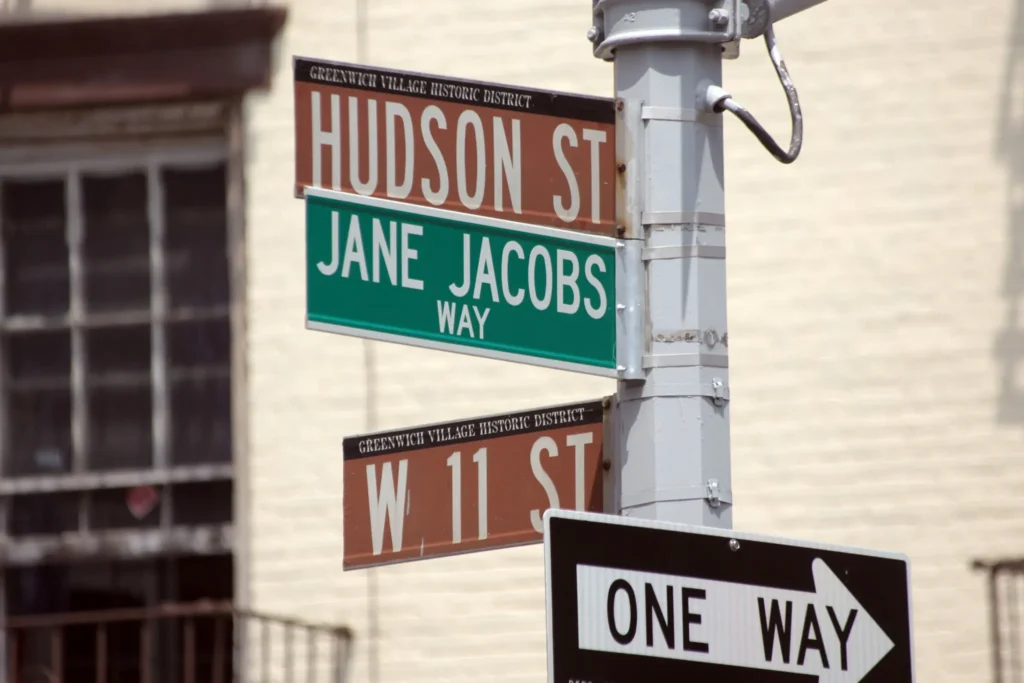
While it would appear difficult to name new streets or rename existing avenues to reflect the contributions of women after decades of male leadership, the Feminist Street Initiative website provides step-by-step guidance in the street naming process for those who seek to correct the gender imbalance on our nation’s roadways. The group also invites the public to contribute suggestions of noteworthy women for future street-naming initiatives.
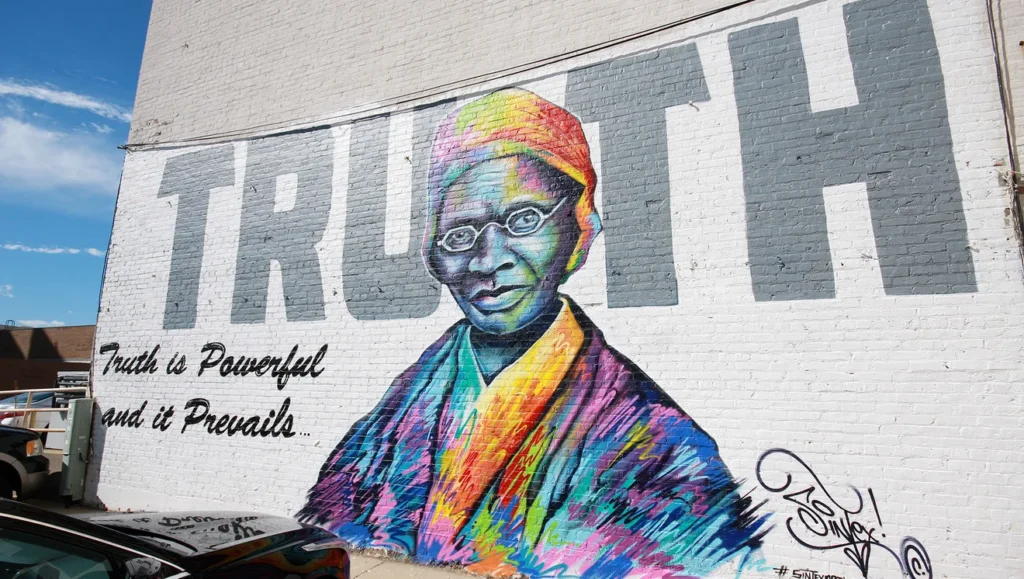
The next time you drive one of the thousands of Washington boulevards, think of how much more interesting – and memorable – it would be to turn right on a street named Truth.
