In a recent Jalopnik article, auto journalist Michael Sullivan bemoaned the recent closings of several prominent automotive museums. Sean Mathis, author of a weekly automotive museum guide, also discussed the number of auto museums – over 50 – that have been forced to shutter over the past few years. Both sources cite many of the same circumstances that compel an auto museum to close its doors. The first is the death of the museum’s founder. Museums that begin as an individual’s personal collection often have few provisions once the owner passes; consequently, the automobiles are donated to other museums or sold off. In addition, many museums are still feeling the consequences of the pandemic; cars and museum space still needed to be maintained despite the absence of paying visitors, emptying the bank account of more than one institution. However, after visiting 25 museums in preparation for my current project, I have come to the conclusion that there is another cause for closure that is not often addressed. And that is the inability of many automotive museums to adapt to a changing and more diverse visitor base.
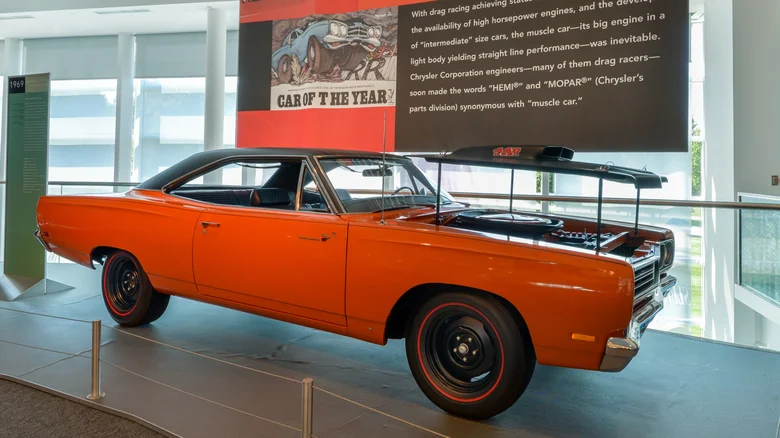
The museums that close are often those that display cars and not much else. They were originally developed to appeal to a specific customer, a white, male gearhead who spent his youth wrenching on and driving fast cars. For men of this generation, the cars were enough. Rows and rows of automobiles, accompanied only by specs and a little history, satisfied the man who could create his own stories about the vehicles on display. However, today’s youth does not have same connection to cars as their predecessors. A placard full of vehicle statistics holds little appeal. Without relevance to their own lives, the auto museum becomes a place that perhaps holds their father’s memories, but not their own. As a large proportion of car museum visitors are middle-aged or over, their numbers will not be replaced by young men as their population dwindles.
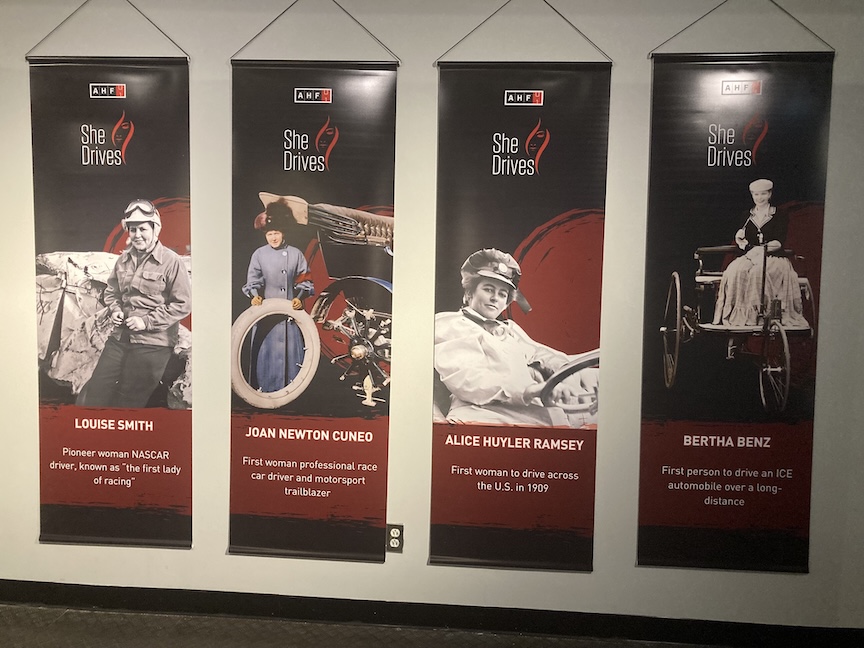
I recently attended the National Association of Automobile Museums [NAAM] annual conference, and many of the presentations addressed the issue of how to make automobile museums more appealing to the non-car enthusiast, particularly to members of under-represented groups. An interesting statistic mentioned was one focused on female museum visitors. In terms of general museums, women outnumber male visitors by a large margin, approximately 62% female to 38% male. However automobile museums are a notable exception, where men make up nearly 66% of visitors. While women now purchase nearly half of new cars in the US, and hold the majority of driver’s licenses, their historical representation in museum narratives has been limited, leading to a visitor base that heavily favors [oldish] men. As noted by Motorious writer Steven Symes, “most car museums cater to older folk and they do so with zero apologies. […] By appealing to a narrow demographic, they’re actually hurting themselves.” The continuing closing of automobile museums would certainly substantiate this sentiment.
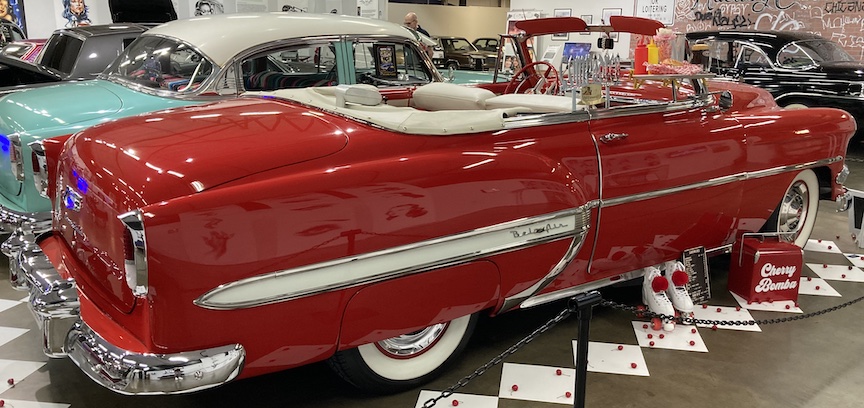
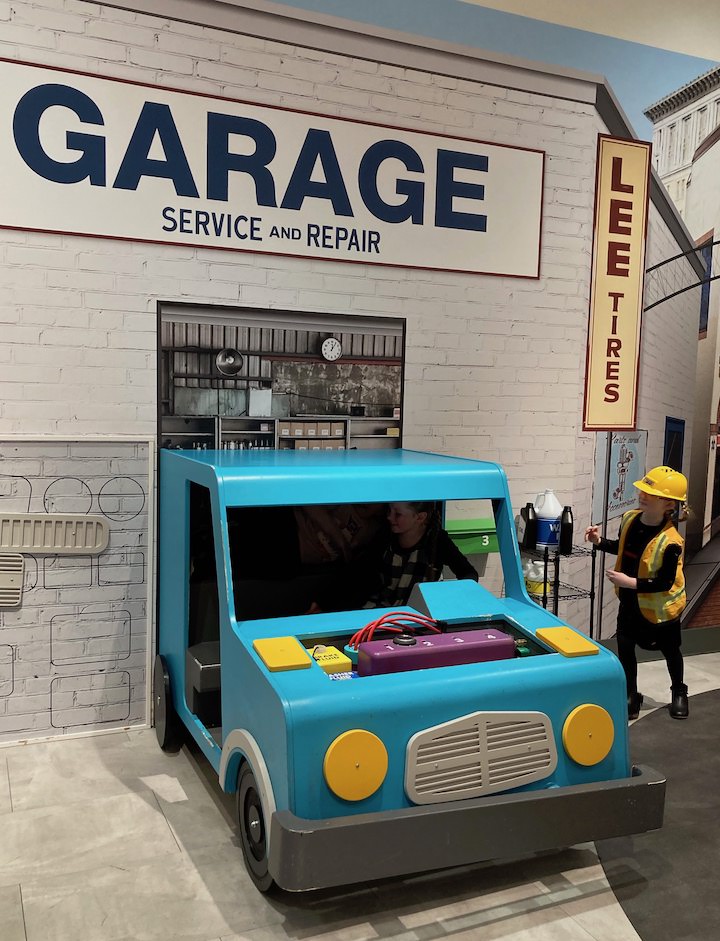
But fortunately, museum practices are beginning to change. Auto museums that expand beyond cars to include the social influences of the automobile are more likely to attract a more diversified visitor base. These museums have successfully implemented strategies to expand their audiences by moving beyond traditional mechanical displays to focus on culture, families, and historically underrepresented narratives. By incorporating exhibits that appeal to women, kids, minority groups and other non-old-white-male populations, museums not only have a better chance of survival, but can – most importantly – assure that auto history isn’t lost to future generations. Replacing endless lists of automotive statistics with car stories and histories that have relevance to all visitors, and incorporating docents and guides who are younger and not-always-male could go a long way to attracting a more engaged visitor base.
It is certainly disheartening to witness the closing of so many longstanding automobile museums across the US. But perhaps the era of traditional car museums will eventually be replaced by institutions that serve not just a particular segment of car geeks, but all drivers and lovers of automobiles.
