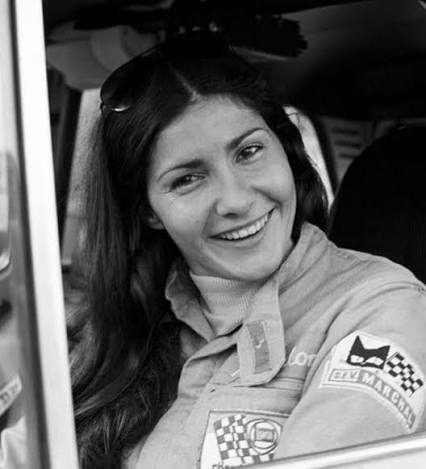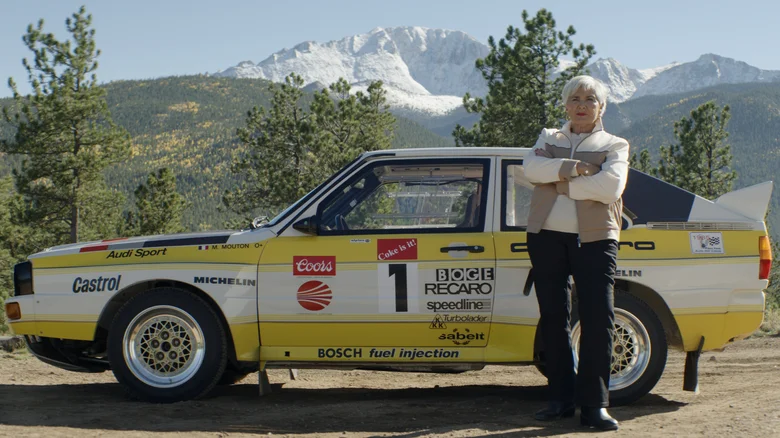
This past fall, Audi introduced an advertisement featuring an icon of rally driving history who is little known outside of the motorsport enthusiast community. To promote its new Q7 and SQ7 SUVs with Audi’s trademarked all-wheel-drive system, the auto manufacturer called upon famed rally driver Michèle Mouton, who in 1985 conquered the Pikes Peak hill climb in a 1982 Quattro S1. The ad campaign – ‘Performance Runs in the Family’ – features a 30-second TV commercial as well as a 4-minute short of Mouton driving a Quattro S1 up Pikes Peak as she reminisces about her winning run. Although the current SUV and early Quattro share little but a name and all-wheel-drive technology, through the connection to the rally legend, Audi hopes to promote the new Q7 vehicles as part of Quattro’s ‘legacy of performance.’
To those unfamiliar, Mouton was the first woman and the first non-American to win and set a new record in the Pikes Peak International Hill Climb event. She remains the only woman to have won rounds of the World Rally Championship. Yet unlike other figures in motorsport, structural, cultural, and personal factors have prevented her from becoming a household name, particularly in the United States.
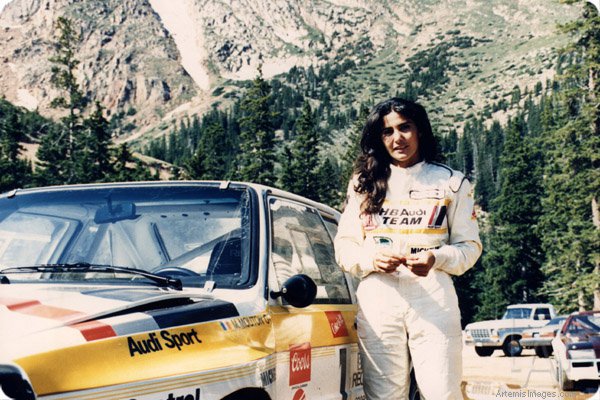
One factor contributing to Mouton’s near invisibility is the nature of the motorsport in which she participated. Rallying is considered a niche event; it takes place over days on remote, closed-off public roads rather than in purpose-built stadiums or race racks. During the 1980s, the decade in which Mouton was competing, rally driving was difficult to broadcast on television; consequently, it never captured the mainstream American audience that follows NASCAR, IndyCar, or Formula 1.
Although she was an extremely talented and remarkable competitor, Mouton’s failure to secure the 1982 World Rally Championship, finishing second after leading for the majority of the race, weakened her reputation. In 1981, Mouton became the first woman to win a round of the World Rally Championship. The following year she claimed a further three victories and entered the final round of the 1982 season with a realistic chance of becoming World Rally Champion. However, although setting out with a huge lead over her nearest competitor in the final round, Mouton, who had just suffered the loss of her father, experienced a series of mechanical problems which put her significantly behind. In an attempt to make up the time lost, Mouton pushed too aggressively and crashed twice, eventually finishing as runner up to Walter Rohrl. Had Mouton won the 1982 WRC title, she would have been the first woman to win an FIA world driving championship – a milestone that would have guaranteed permanent mainstream history-book status.
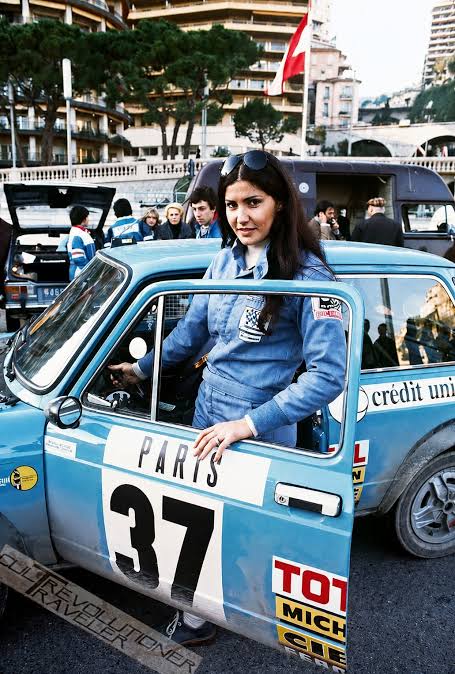
In addition, Mouton’s motorsports peak coincided with rallying’s legendary “Group B” period, an era of wildly powerful, dangerous cars. Following several fatal crashes, including that of Mouton’s friend and rival Henry Toivonen in 1986, the FIA abruptly banned Group B, after which Mouton retired from rallying. Her retreat from the rally circuit, shortly after she won the 1986 German Rally Championship, cut her competitive spotlight short.
Although her status as a female rally driver was trailblazing, Mouton rejected being marketed as a novelty. She refused ladies trophies, avoided media sensationalism, and insisted on being judged as a driver rather than ‘female driver.’ Because she didn’t lean into the marketing angle of her gender, Mouton received less press outside of pure racing circles. This was no doubt deliberate on her part, as the attitude of the time suggested she was only chosen to compete because of who she was sleeping with, or that rather than skill, her wins were the result of altering her cars or engines for an advantage. All Mouton could do to prove her adversaries wrong was to go up against the best drivers in the world and beat them at their own game. In 1981, Motorsport Magazine wrote, ‘Mouton is never shown any quarter by her male rivals, nor does she ask any, for she is a rally driver among rally drivers.’
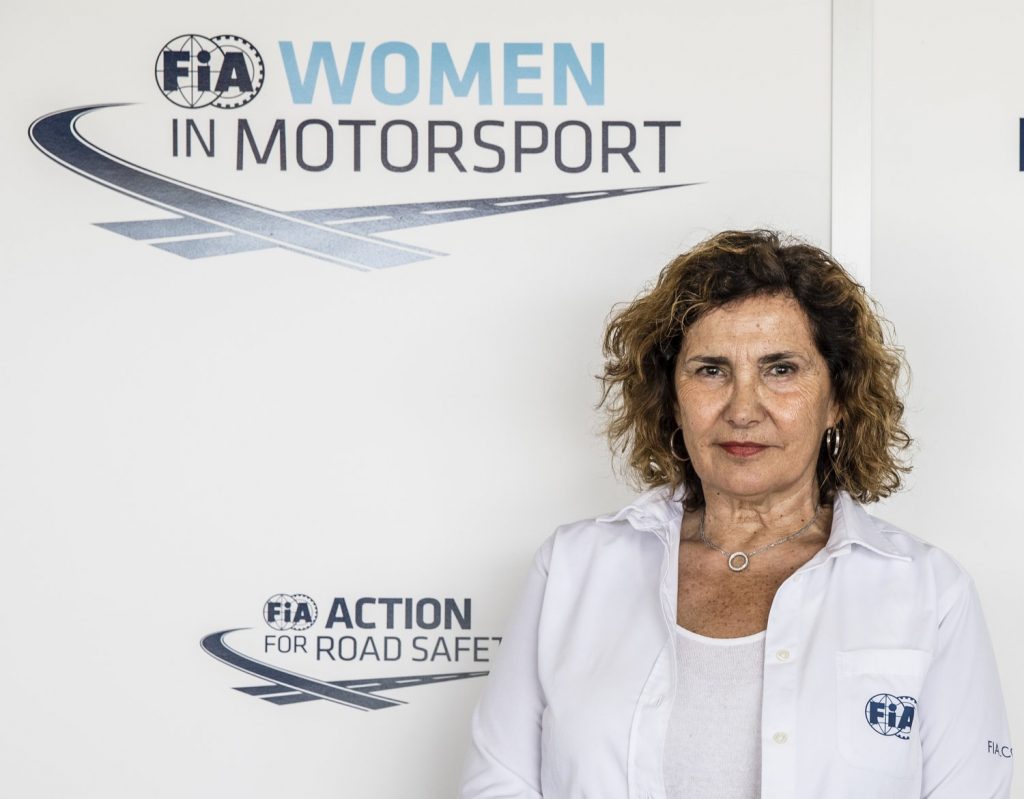
In addition, after retiring from racing, Mouton did not seek the celebrity spotlight. Rather than becoming a TV commentator or commercial spokesperson as did many of her contemporaries, she took on demanding behind-the-scenes roles. Mouton cofounded the Race of Champions, served as the FIA’s WRC safety delegate, and took on a leadership position in the FIA Women in Motorsport Commission, an organization that promotes female participation and career pathways across all areas of motorsport.
Mouton’s career was the subject of the Emmy winning documentary Queen of Speed in 2021; in 2025 she was inducted into the Pikes Peak Hill Climb Hall of Fame. Yet because she competed in a discipline that lived on gravel forest roads rather than Sunday afternoon television and raced well before the age of social media and Internet influencers, her fame continues to remain confined primarily to dedicated racing fans.
Although the ‘Performance Runs in the Family’ campaign was invariably developed to promote the all-new Audi SUVs, one can only hope that it will also bring well-deserved attention and interest to Michèle Mouton, a trailblazing yet often forgotten female figure in the overwhelmingly masculine world of rally motorsport.